
Faces of Midland: Joel Hensel
Faces of Midland is a collaborative storytelling project celebrating the vibrant lives of those who live, work, and thrive in Midland.
Joel Hensel, the power of recovery
By Trisha Fenby
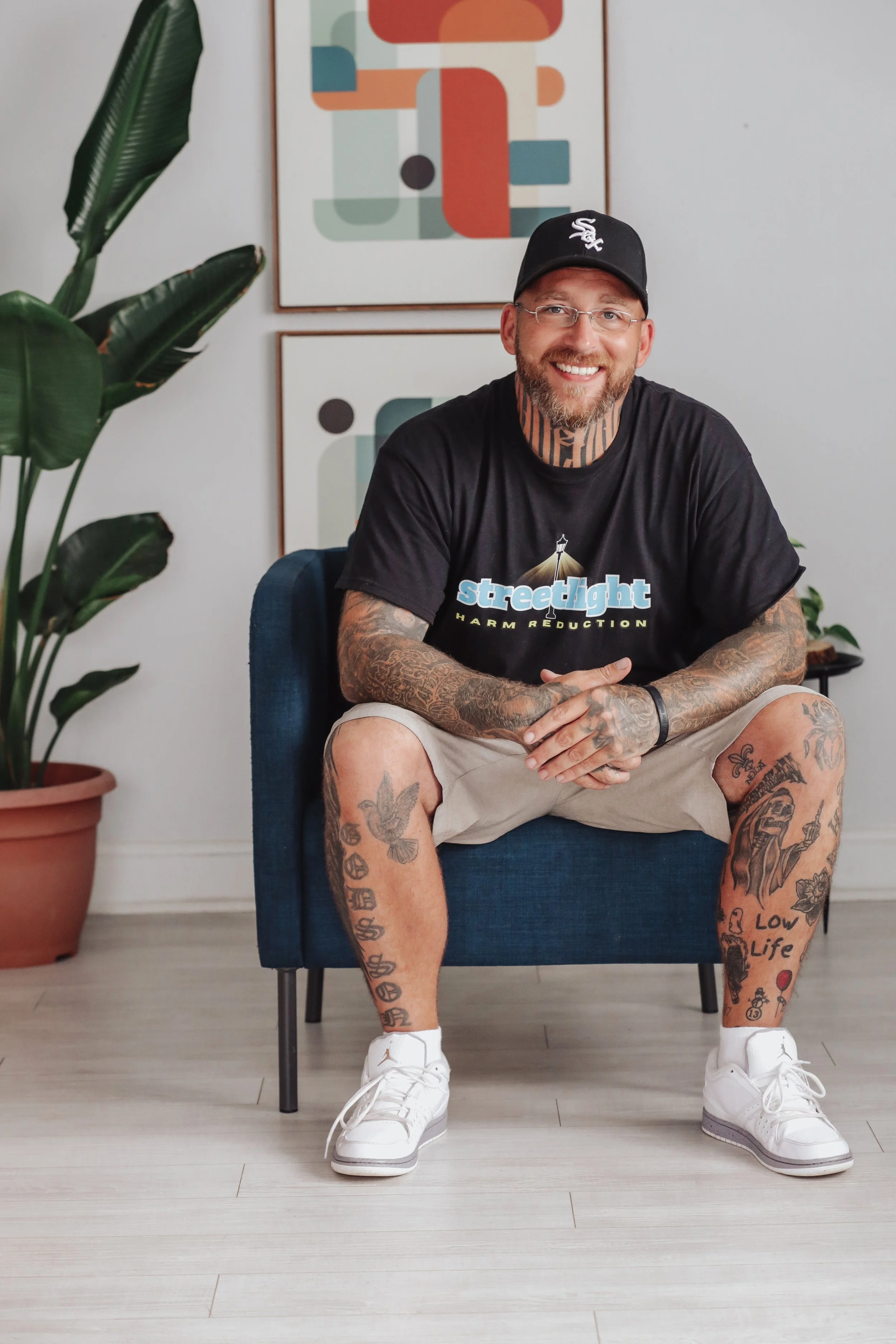
Photo by Renee’ Deckrow, Captured Studio
Joel Hensel of Midland recalls the moment that he realized his life had to change.
“I got out and was on parole. I started selling weed again. I started using heroin again”, he said, knowing he was stepping back into a cycle that he couldn’t break.
He had just been released from prison a second time when BAYANET raided the house he was in. As Joel sat on the couch, high, watching officers pour in, he felt a shift, “I don’t ever want to live like this again”.
It was a wakeup call he had not experienced in the past.
“I never felt compelled to call people and say, ‘this is it; this is the last time,’’ Joel said. “Because I knew it wasn’t.” He had accepted addiction as his fate.
Today, Joel is a recovery coach working with J&A Counseling and Peer 360 Recovery Alliance. He stepped into this role through his own long and painful recovery journey.
His addiction began in childhood. Joel started using drugs and alcohol around the age of eleven. He believes now that the lack of a consistent father figure made him more vulnerable and the influence of social and cultural models glorified the risky behavior. By the age of twelve, he committed his first felony and breaking into houses. Much of his adolescence was spent in the Juvenile Care Center.
At seventeen, a home invasion led to jail time and eventually prison boot camp. This cycle was repeated with episodes of drug sales and use. Prescription opiates like Vicodin and OxyContin were easy to obtain. Joel made good money as a drug dealer, but enjoyed using it as well, which transitioned to a daily use of heroin.
Jail and prison became a part of his life. To Joel, jail was “college for criminals”. It was a place to learn new criminal skills and meet new connections. It prepared him for the next round once released.
Even after his moment of awakening, Joel relapsed one more time. The mother of his children finally put a stop to the cycle, urging him to seek treatment, even driving him to Traverse City after a friend recommended a program there.
The treatment Joel received in Traverse City was life changing. He went through detox and then stayed for the rehabilitation. Much of the organization was run by people in recovery, and to Joel, that mattered. Hearing stories from people who had been there, with an understanding of addiction from the inside, gave him a sense of relief. He felt connected to a community that cared.
Joel shares, “I had this little dream, thinking if I would just stay clean, I could have a job in recovery”.
That dream was enough to keep him moving forward. He attended Narcotics Anonymous meetings daily and began sharing his story at recovery meetings. Joel was surprised when new members called him “inspirational”. He was only one-year clean and sober, and he felt like he had too many character flaws to be an inspiration. But hearing it, repeatedly, gave Joel confidence and self-worth. Eventually he signed up for recovery coach training.
Recovery coaching makes the difference, Joel believes, because he meets the person exactly where they are. He’s not a probation officer, not a judge, not a therapist. He’s simply someone to help a person reach their next goal.
“So I'll tell them right off the bat,” He explains, “’if you just want to get through this, then that's the goal, and I will help you get through this. I will advocate for you. I'll tell them you do all the good stuff’, and then, in the back of my mind, I'm hoping that life gets better.”
Often, Joel’s first point of contact with someone is inside the jail. While coaching there regularly, he noticed an empty pod and suggested to Captain Ford that the space could be turned into a recovery pod. Joel drafted a loose plan, showing how the pod could host recovery meetings with coaches, connect with outside partners and community resources and even provide zoom meetings with peer coaching. The captain was in favor and J&A therapists, along with others, helped bring the concept to life.
For a man convinced that addiction was his fate, Joel is now building the lifelines he never had. Now, he is entering jail pods with hope, offering people a chance to write their own stories. Joel is proof that recovery is possible and powerful.