
Navigation Team Meeting Recap: How We Build What Matters - Infrastructure & Partnerships in Midland
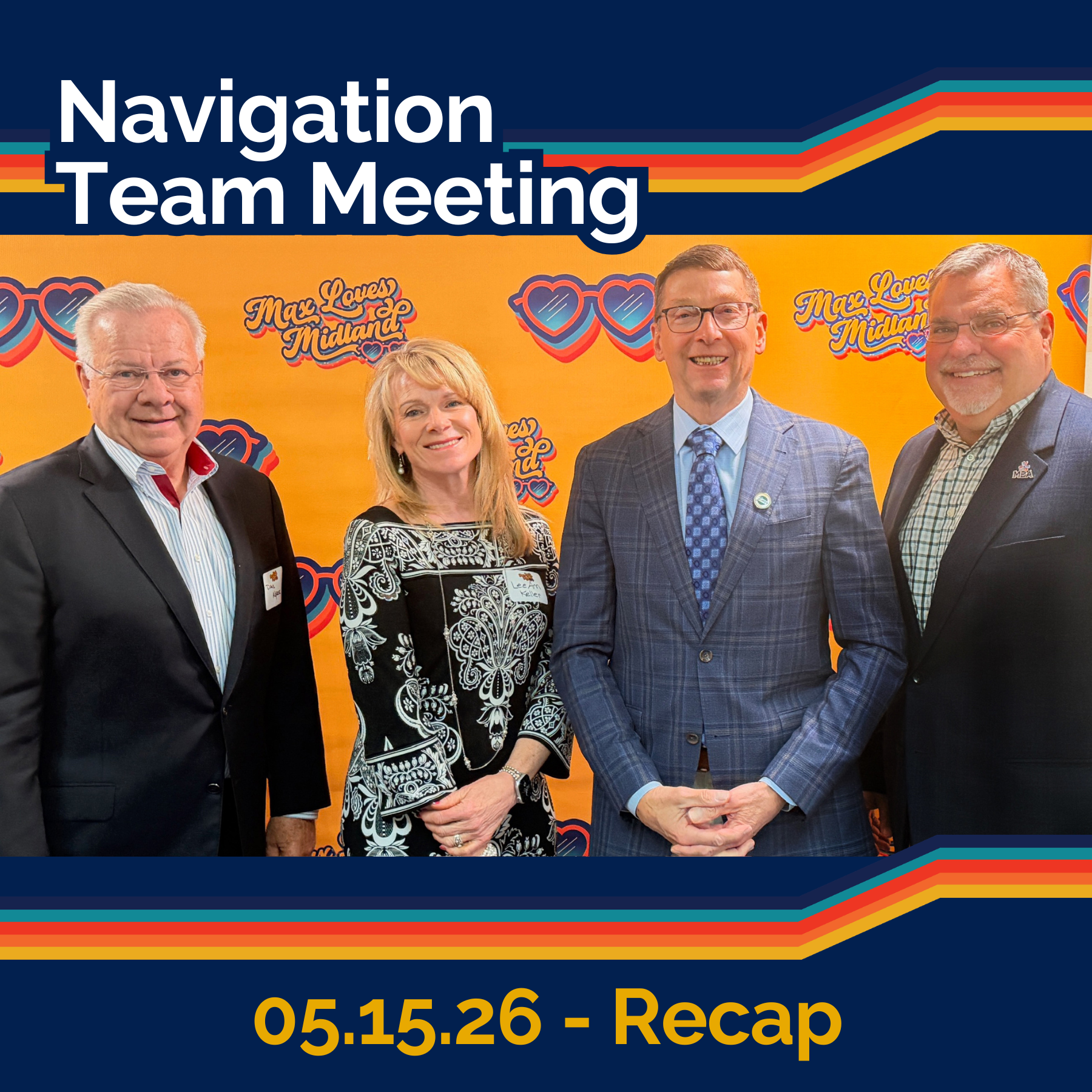
The Max Loves Midland Navigation Team gathered on May 15, 2026 for a look into How We Build What Matters: Infrastructure & Partnerships in Midland, exploring efforts like the Four Lakes Task Force, internet connectivity, and flood reduction in Midland County.
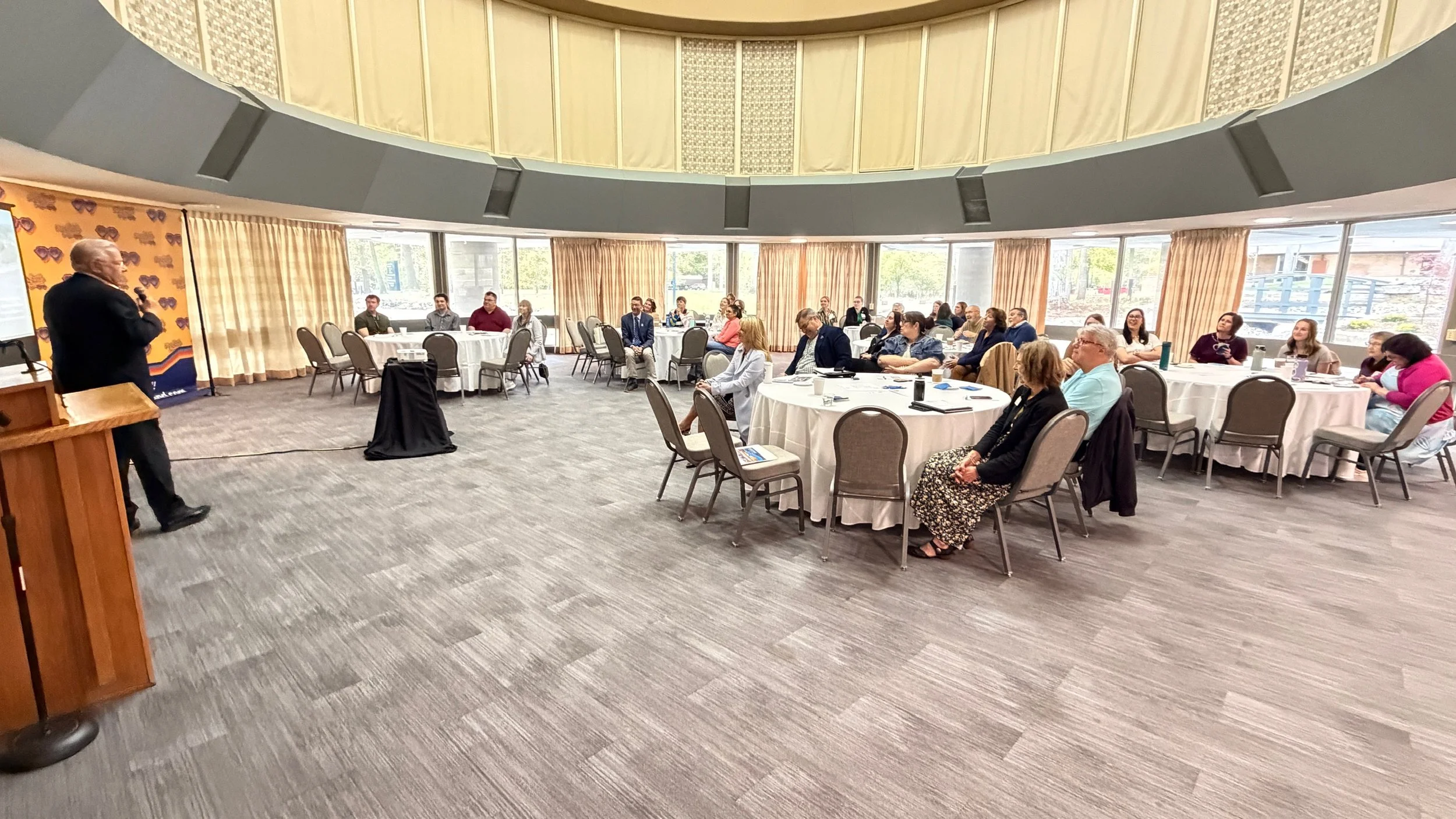
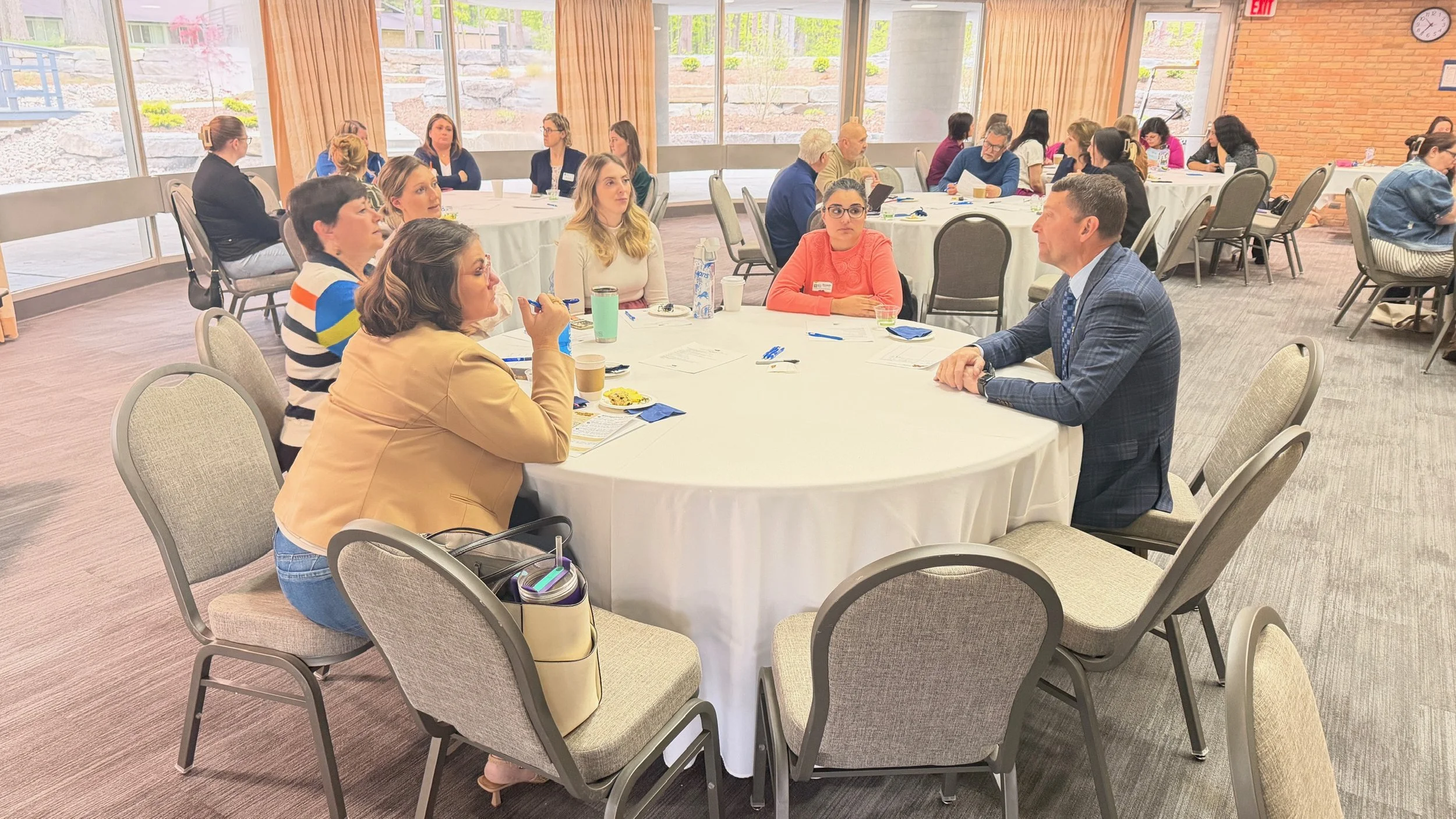
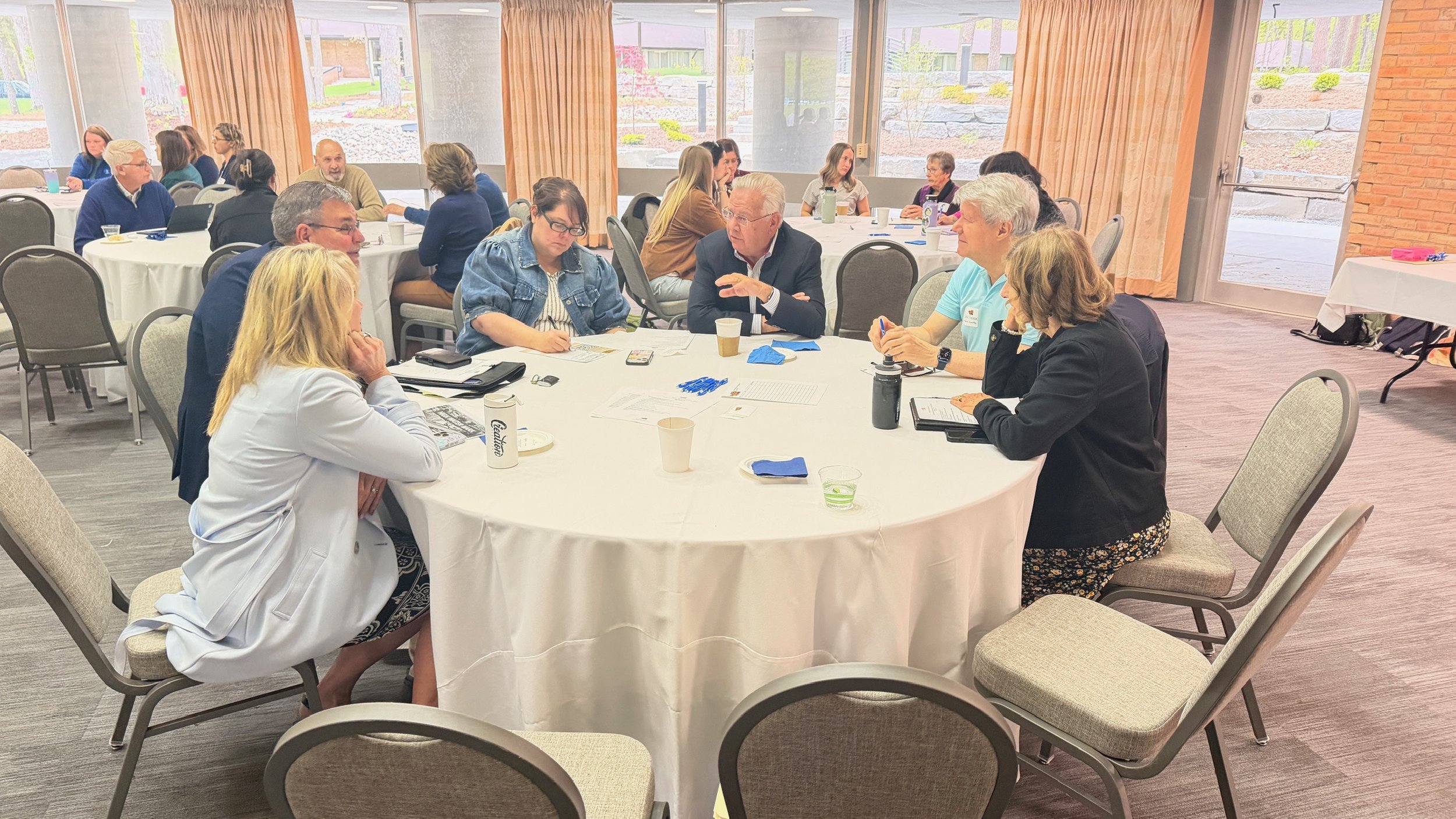
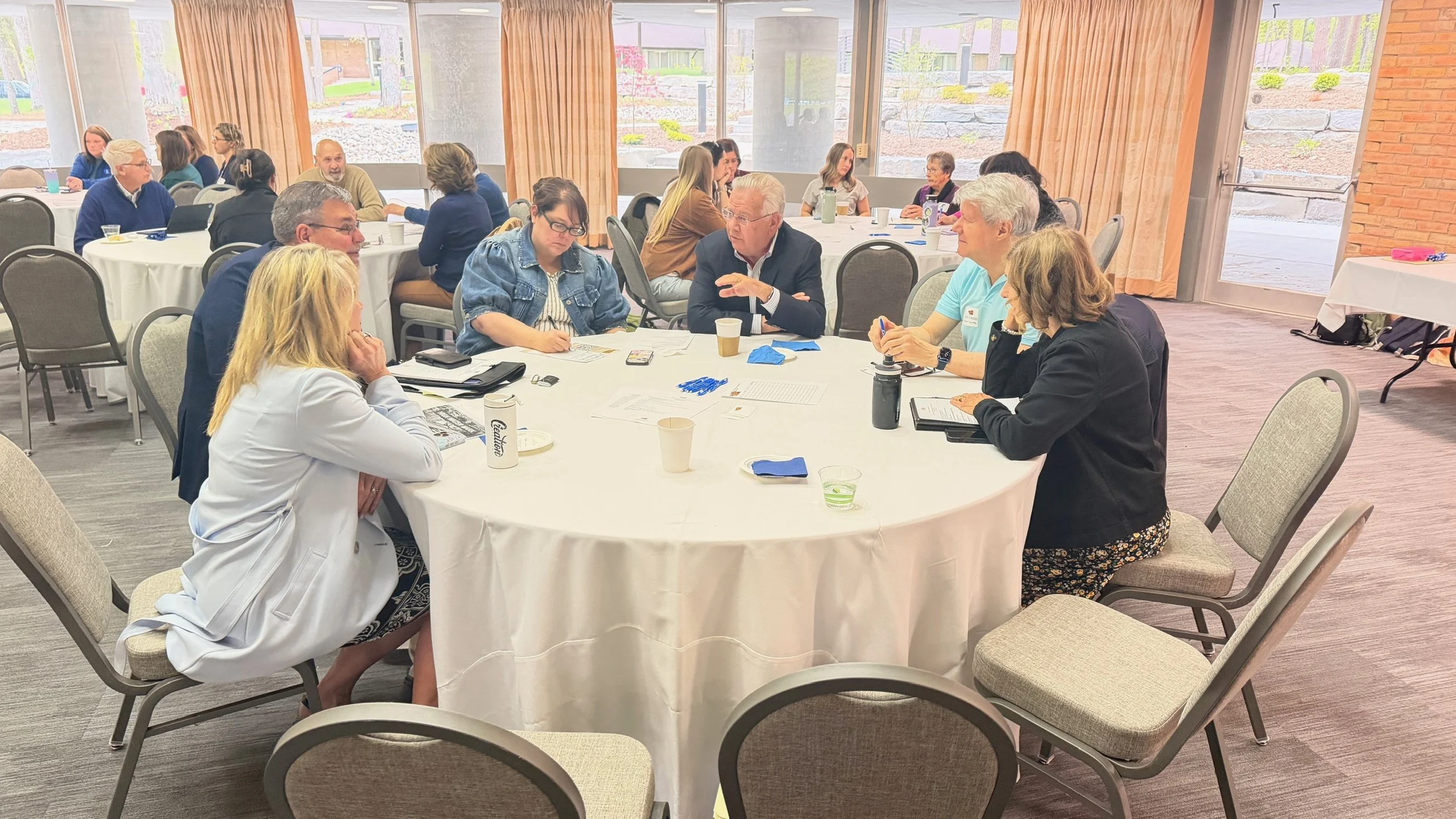
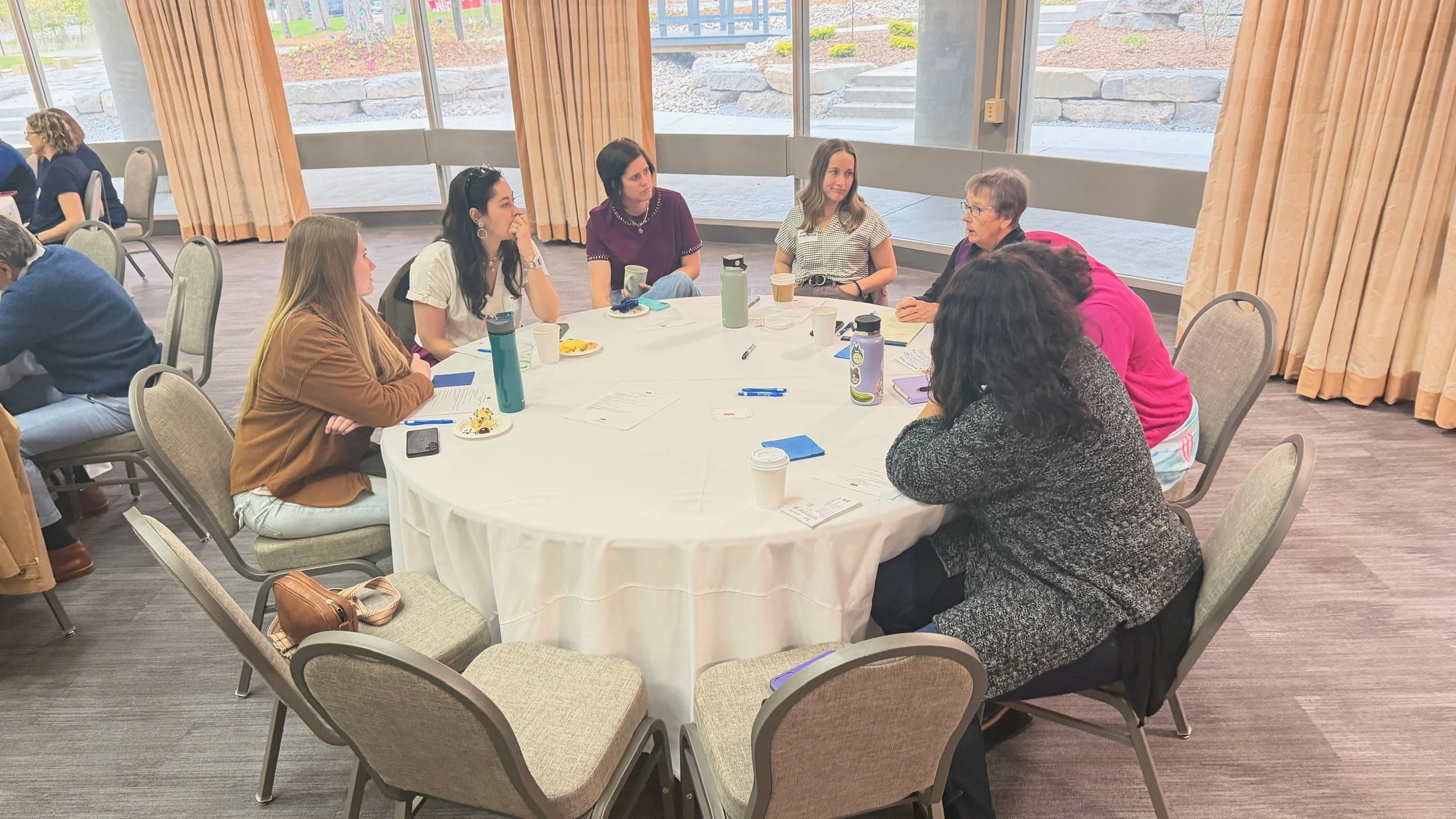
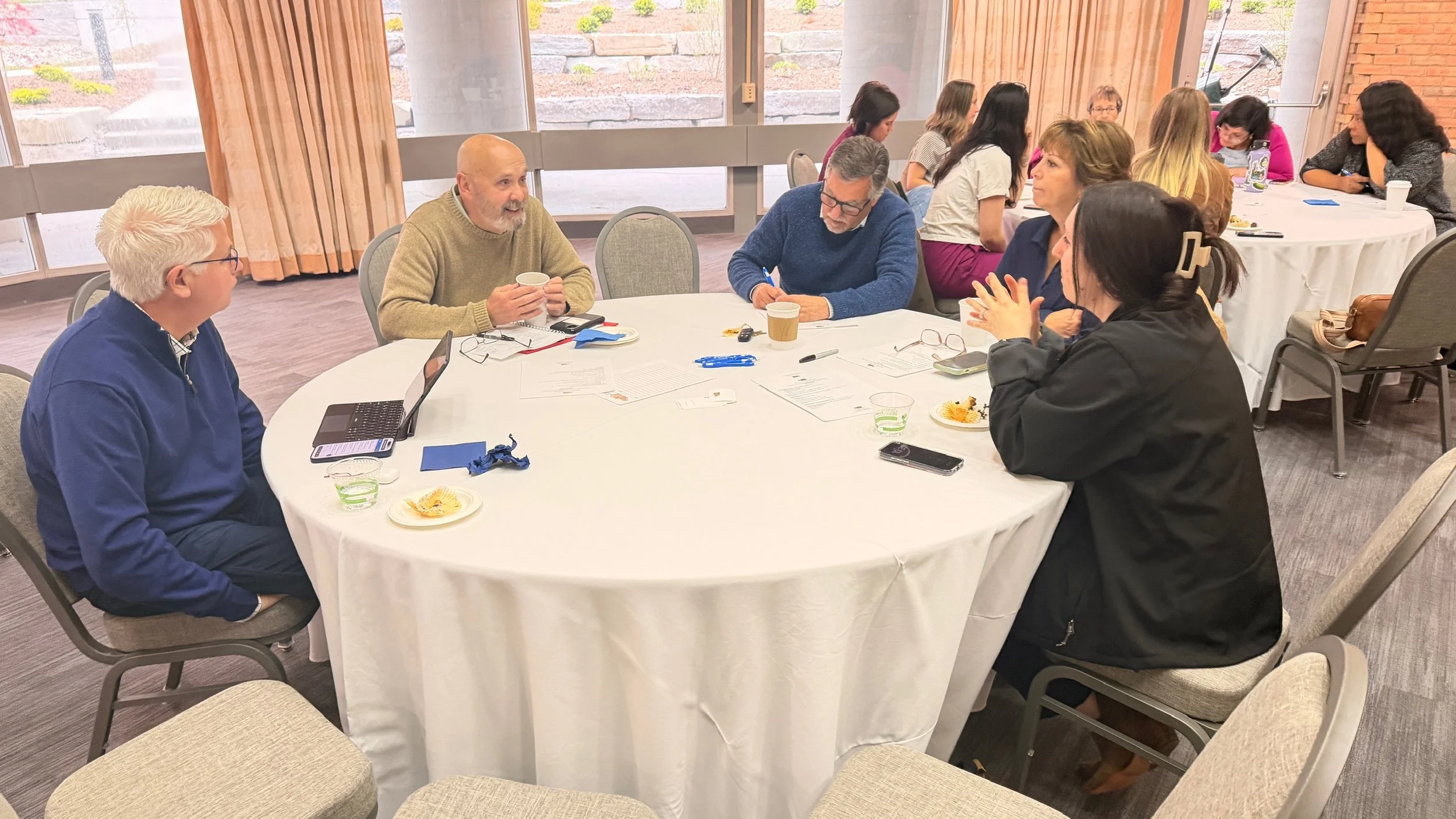
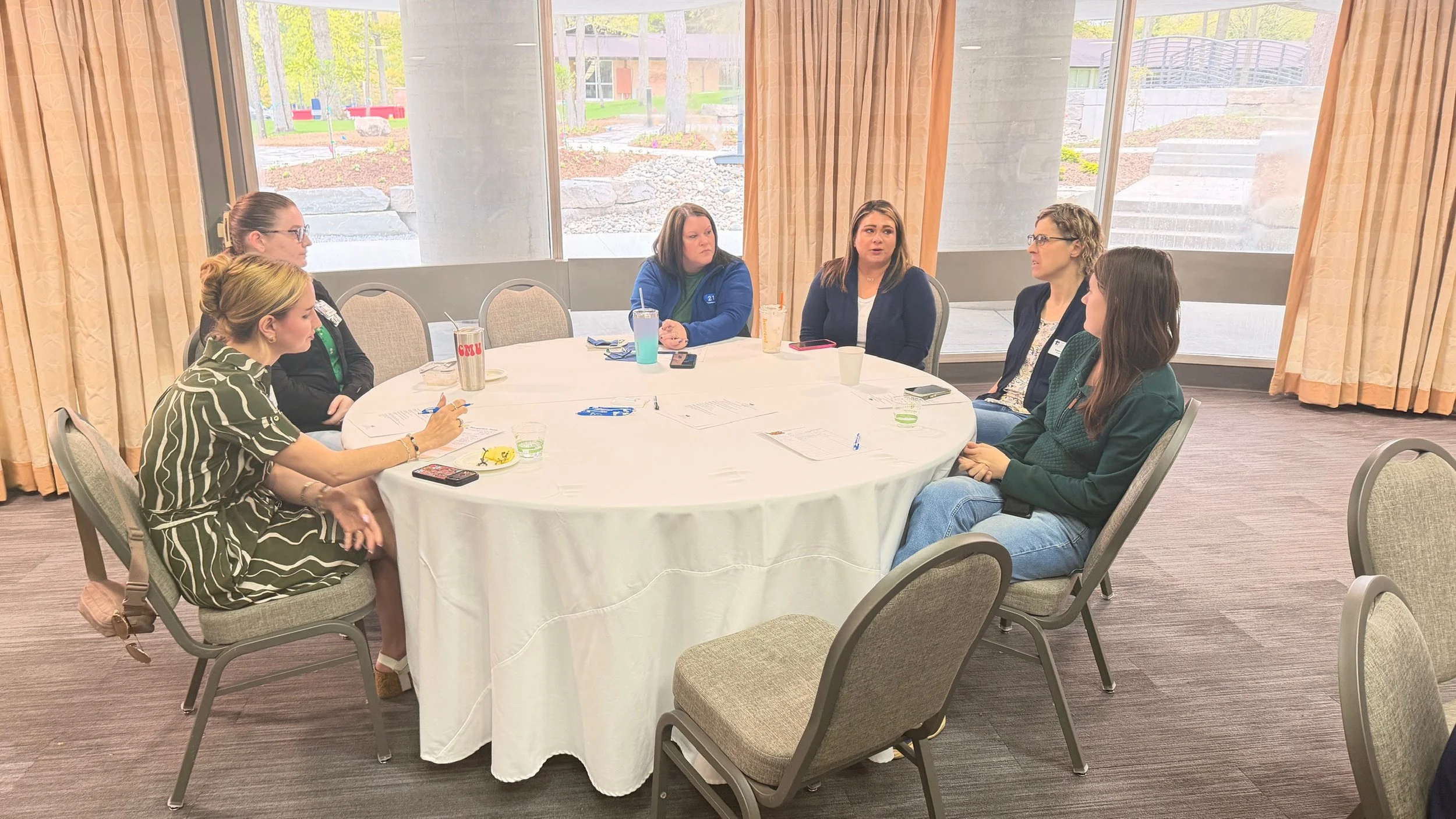
Hosted at Northwood University’s Griswold Communications Center, the meeting brought together community leaders, residents, nonprofit partners, and professionals from across sectors to learn about ongoing work related to internet connectivity, flood reduction, watershed restoration, and the role community storytelling plays in supporting Midland County’s future.
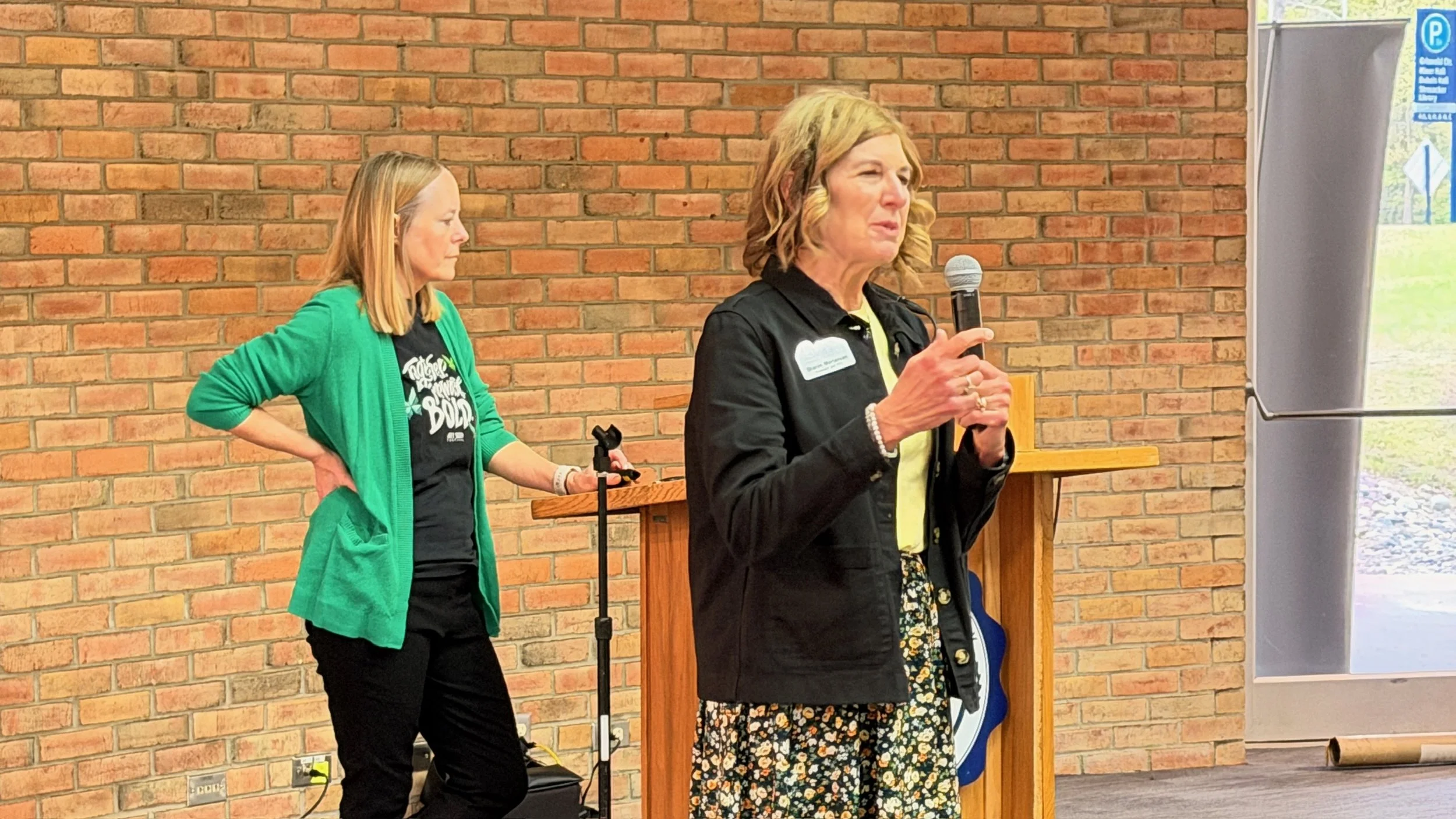
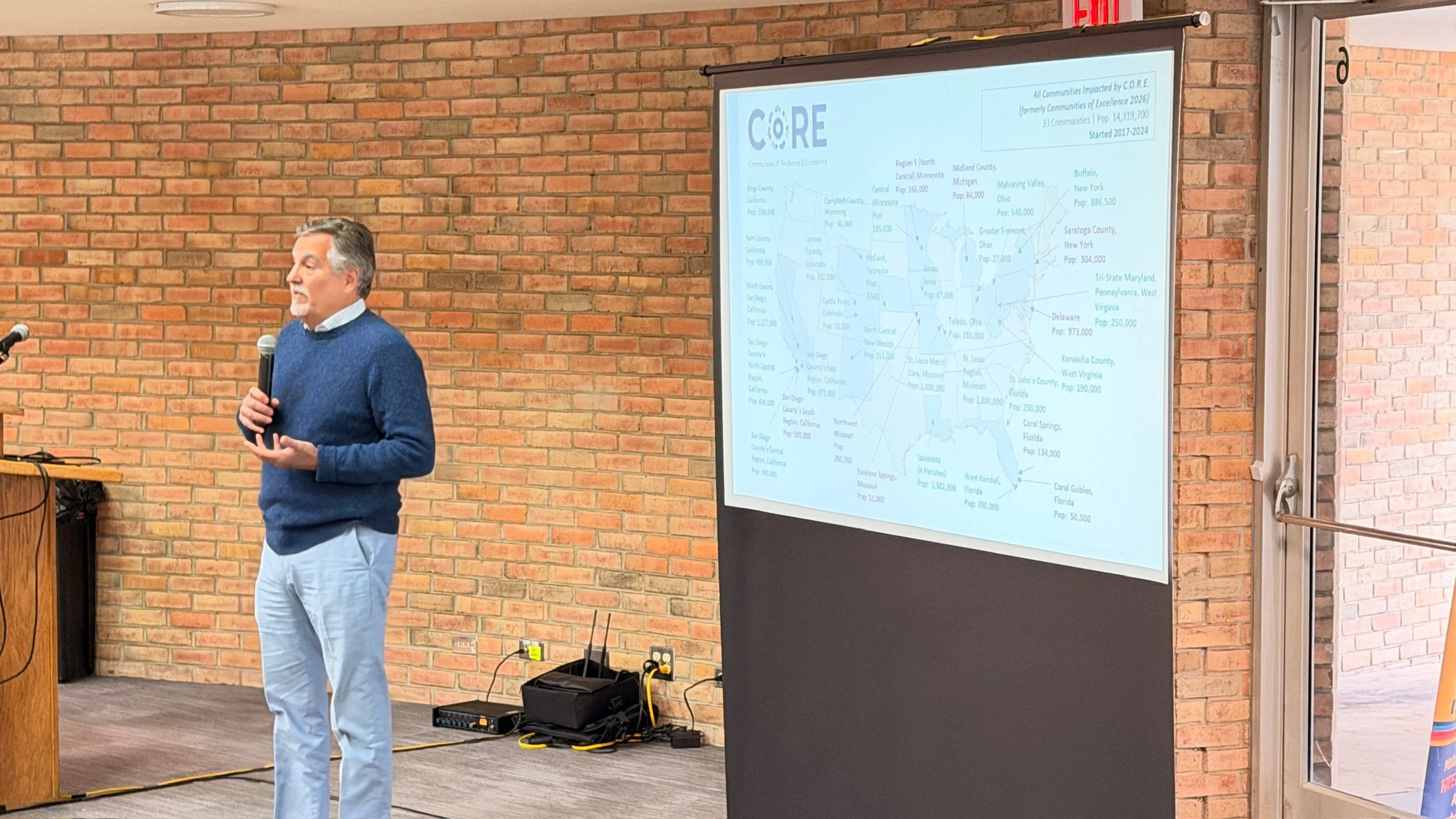
The meeting opened with welcome remarks from Sharon Mortensen and Kathy Snyder, who reminded attendees that meaningful progress happens when people come together around a shared vision. The day’s theme connected directly to the Midland County Vision Statement and the values that guide the Community Success Panel and Max Loves Midland initiatives. Participants reflected on the importance of collective action and the ways partnerships help communities solve difficult challenges.
Lou Mencia shared an overview of the Community Success Panel and the role of the Max Loves Midland Navigation Team within the broader collective impact framework being used in Midland County. Since beginning in 2021, the Navigation Team has served as a space for learning, feedback, and connection between residents and larger community initiatives. Mencia emphasized that successful collective impact work depends on shared goals, communication, coordination, and long-term relationship building. He encouraged attendees to continue participating in meetings, joining working groups, and helping connect others to community efforts already underway.
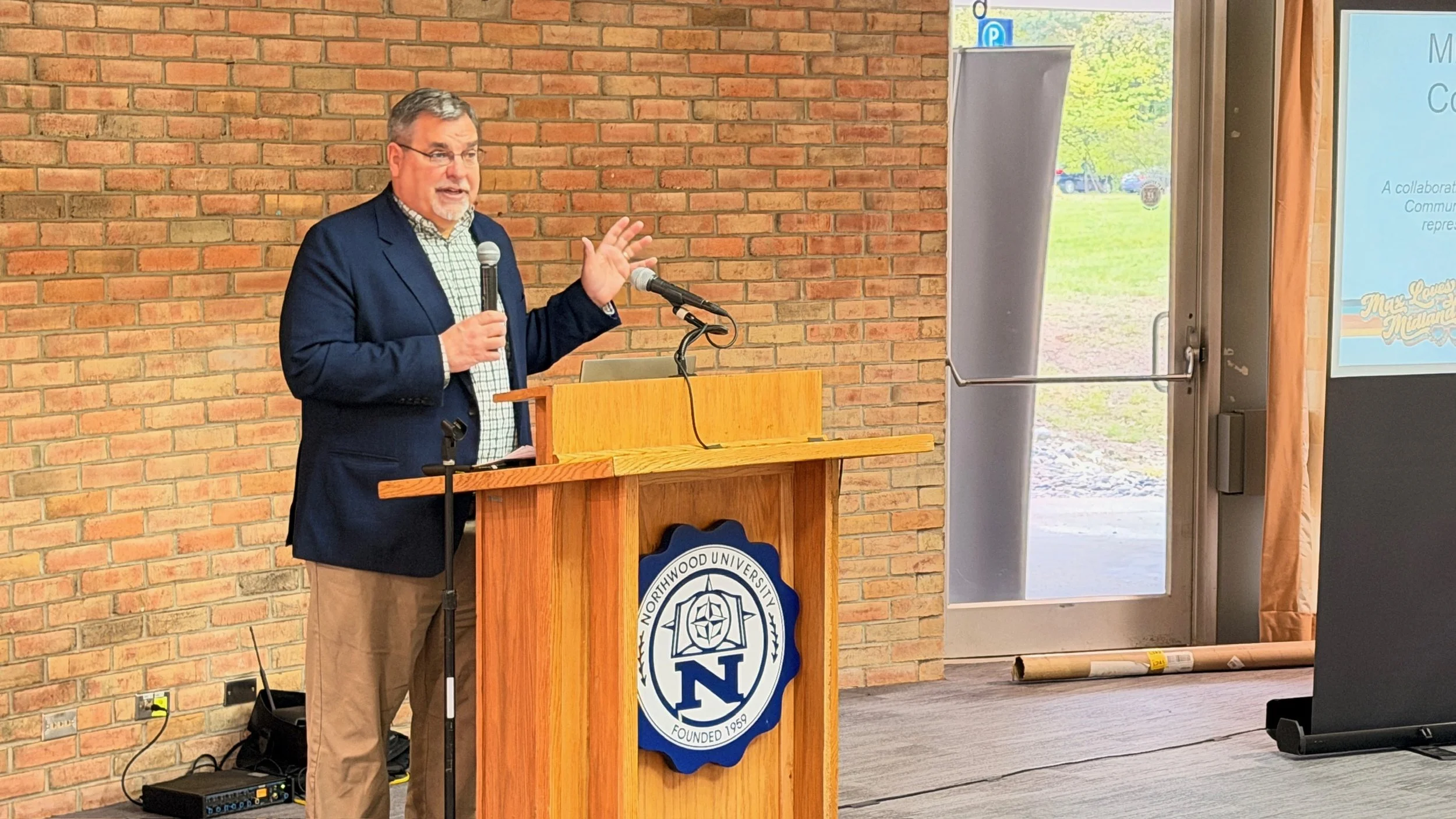
One of the morning’s major topics focused on broadband internet access in Midland County. Tony Stamas shared updates from the Midland County Internet Connectivity Committee, which formed in response to growing awareness during the pandemic that reliable internet access is essential for education, healthcare, work, and everyday life. The committee’s goal is simple but ambitious: ensuring all Midland County households, businesses, and organizations have access to affordable, high-quality broadband service.
Stamas explained that approximately 93 percent of Midland County already has access to high-speed internet, while the remaining underserved areas, primarily located in townships outside the city, are expected to be addressed through the federal Broadband Access and Deployment Program. About 2,400 locations are still considered underserved or unserved. Current efforts include working with internet service providers, monitoring implementation progress, and supporting long-term infrastructure buildouts expected to continue through 2029. Attendees also learned about the Michigan Broadband Map, which residents can use to explore internet service availability by address.
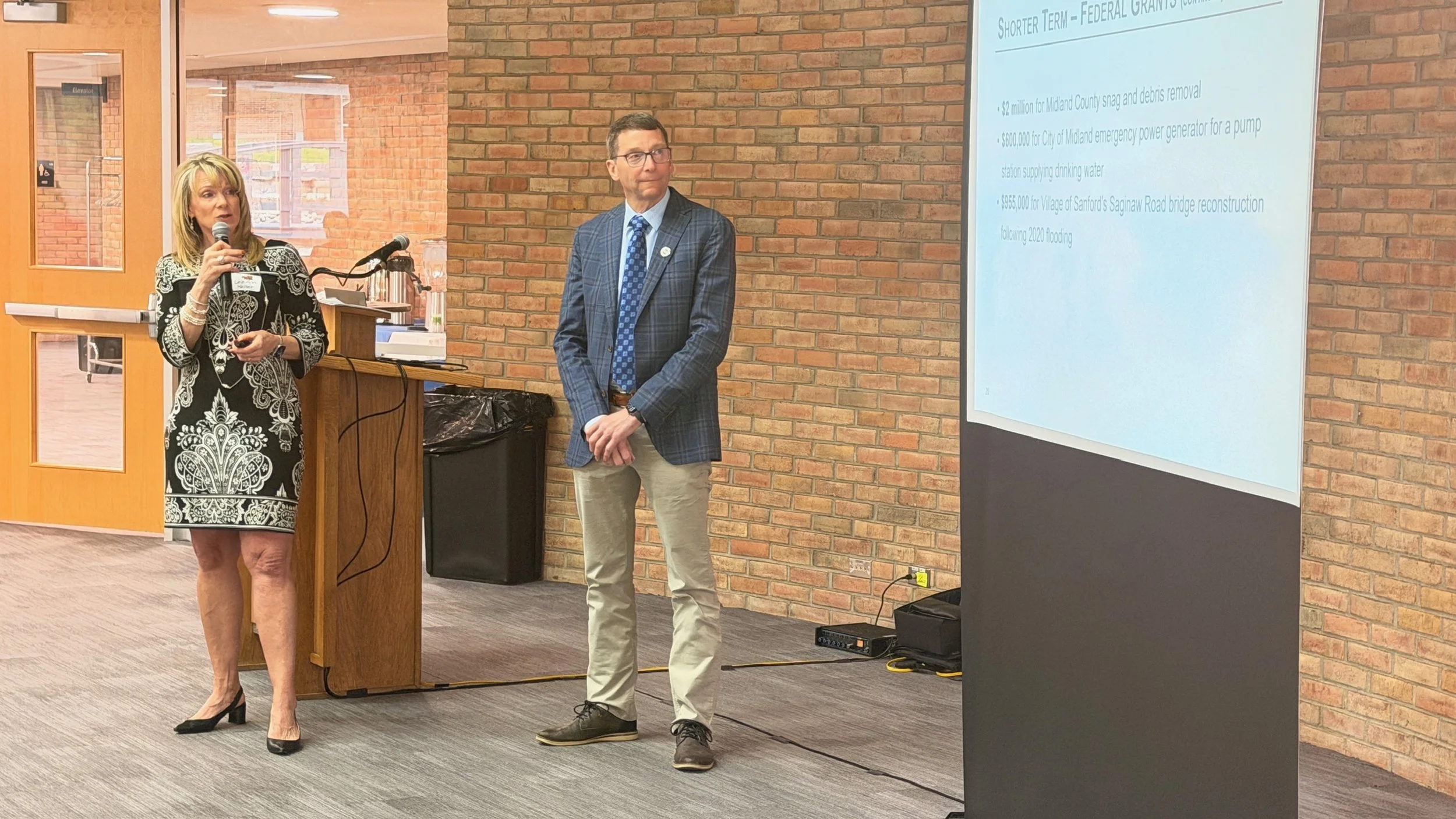
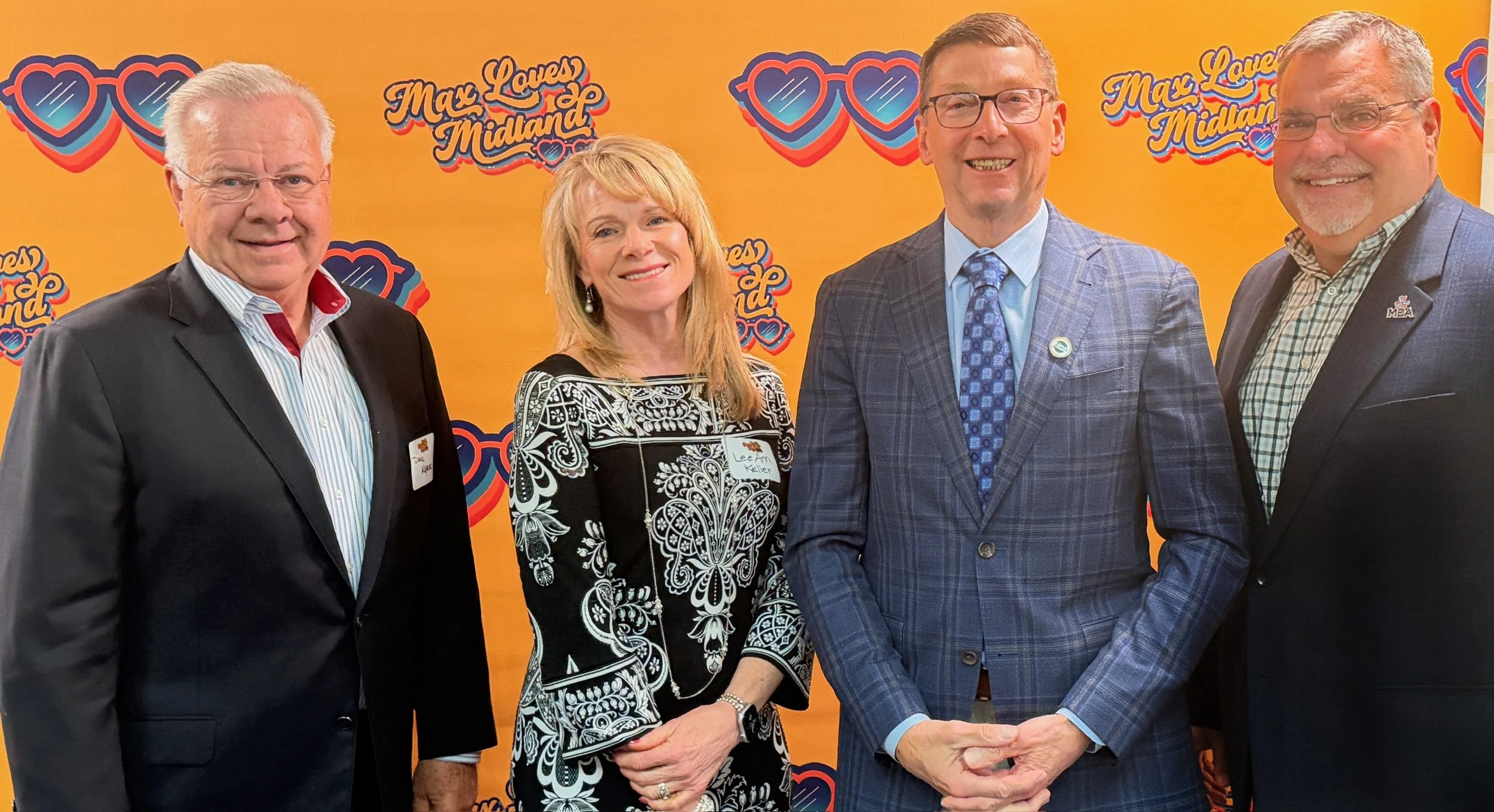
The conversation then shifted to flood reduction and resiliency efforts led by the Midland Business Alliance Advisory Committee on Infrastructure. J.W. Fisher and Lee Ann Keller shared updates on the extensive work taking place since the devastating 2020 flooding event. Their presentation highlighted how local collaboration, state and federal advocacy, technical expertise, and donor support have helped move projects forward at a significant scale.
To date, nearly $1.9 million in local “seed money” has helped leverage more than $70 million in additional state and federal support for flood resiliency and infrastructure projects throughout the county. These projects include stormwater improvements, pump station upgrades, emergency preparedness systems, floodplain restoration, debris removal, and resiliency improvements at MyMichigan Medical Center. Longer-term efforts include large-scale U.S. Army Corps of Engineers studies aimed at identifying future flood reduction solutions such as levees, floodwalls, detention basins, and nature-based infrastructure improvements.
Presenters emphasized that this work is highly complex and will require years of continued collaboration, advocacy, and funding. Community members were encouraged to stay informed, subscribe to project newsletters, and help share accurate information about the work underway.
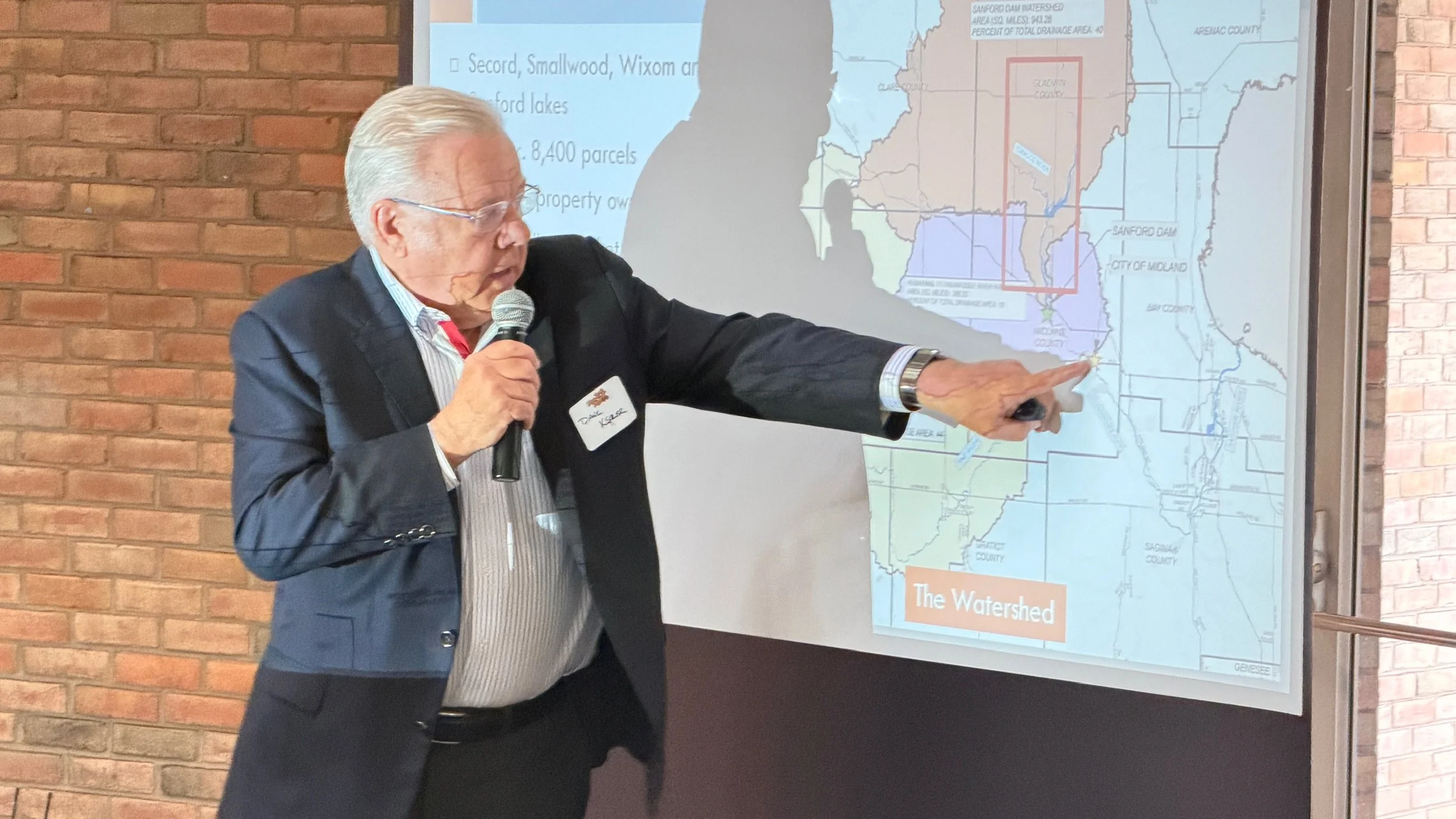
Dave Kepler then provided an update on the Four Lakes Task Force and the continued restoration of the Secord, Smallwood, Wixom, and Sanford lake system following the Edenville and Sanford dam failures. Kepler outlined the enormous scale and complexity of rebuilding and restoring the lake system, which spans two counties, nine townships, and thousands of properties.
Since the failures, more than $460 million has gone into restoration and infrastructure efforts. The work has required changes to state law, extensive permitting, environmental coordination, and large-scale community assessments to fund reconstruction. Kepler discussed the importance of stewardship, risk management, and long-term planning, emphasizing that the new infrastructure is being designed to significantly reduce future risk.
He also highlighted the environmental and economic value of the lake system, noting that investments in recreation, environmental restoration, and water quality will continue benefiting the broader region for years to come. Community members were encouraged to support habitat restoration efforts, watershed planning, and volunteer opportunities connected to the recovery process.
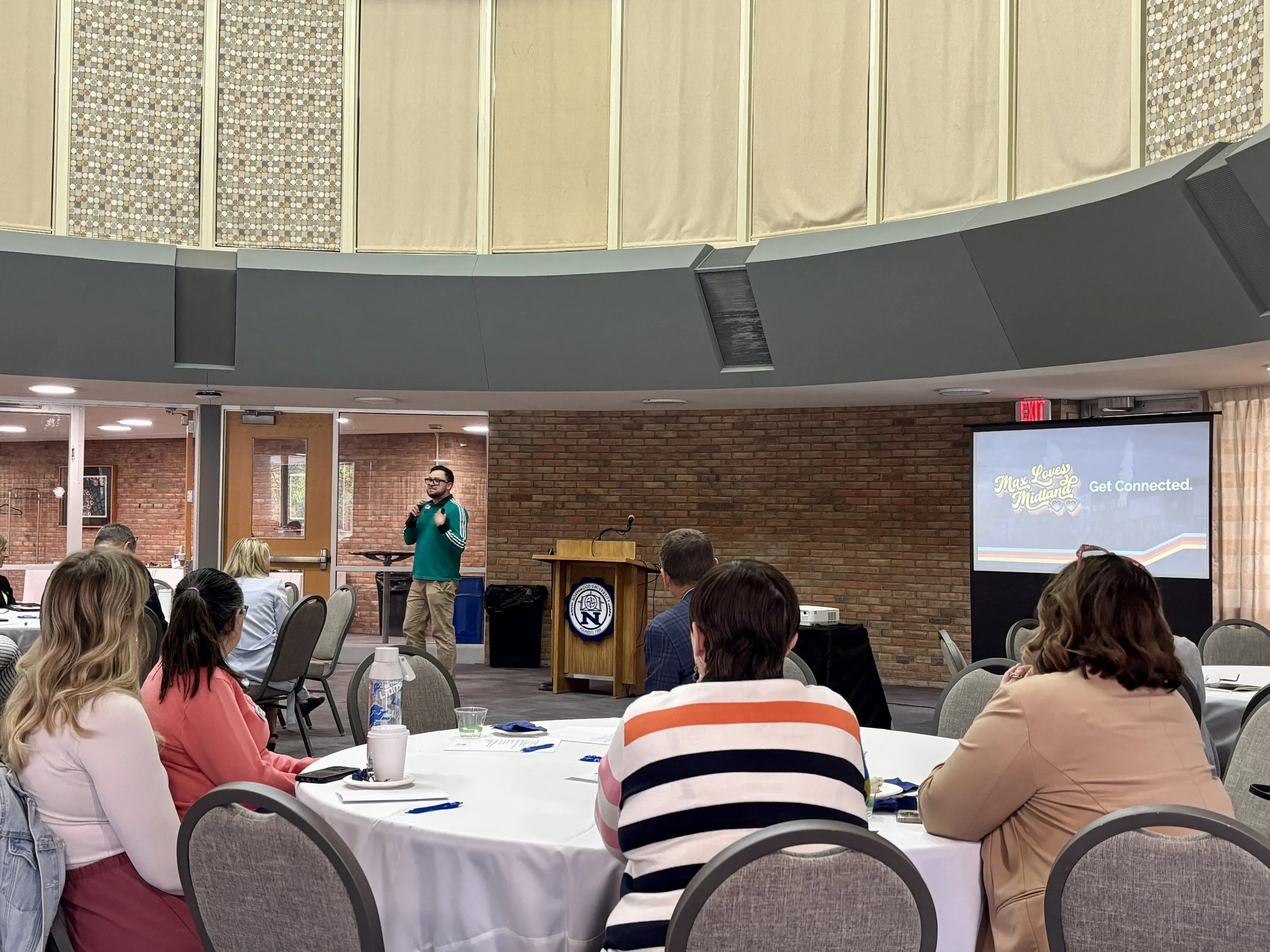
Kevin LaDuke closed the presentations with an update on Max Loves Midland and the continued growth of the platform. He shared that Max Loves Midland exists to align people, information, and momentum around shared community priorities while helping Midland County become a place where people choose to stay and thrive.
LaDuke highlighted the platform’s growing reach, including more than 7,000 community calendar events, increased website traffic, and expanding engagement through social media platforms like TikTok and Instagram. He also shared excitement around The Max Loves Midland Show now airing on WSGW twice each weekend.
The presentation emphasized the importance of community storytelling, communication, and visibility in supporting talent retention, economic opportunity, and a stronger sense of belonging. LaDuke encouraged attendees to continue sharing events, submitting story ideas, and inviting others into the work of community connection.
The meeting concluded with reminders about the Assets Across the Lifespan Survey, an initiative designed to better understand the strengths and needs of youth, adults, and older adults across Midland County. Organizers encouraged attendees to complete and share the surveys to help guide future community planning efforts.
The next Max Loves Midland Navigation Team meeting will take place on Friday, August 14, 2026, at Northwood University’s Griswold Communications Center. As the conversations throughout the morning demonstrated, building what matters requires more than infrastructure alone. It requires partnerships, trust, communication, and a community willing to work together toward a shared future.
Do you have a Midland County story you would like to tell that aligns with our vision?