Navigation Team Meeting Recap: Using Community Data to Support Mental and Physical Health
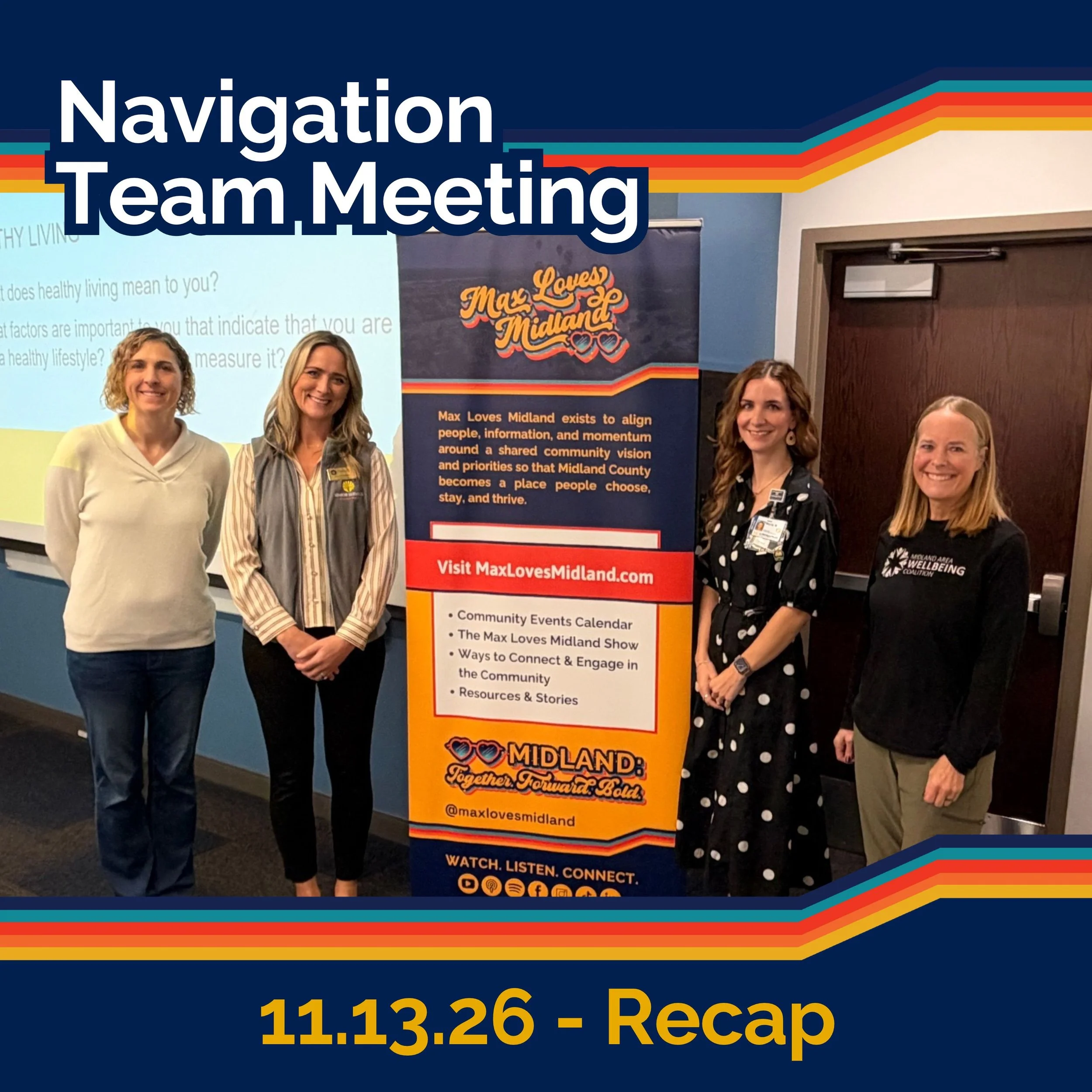
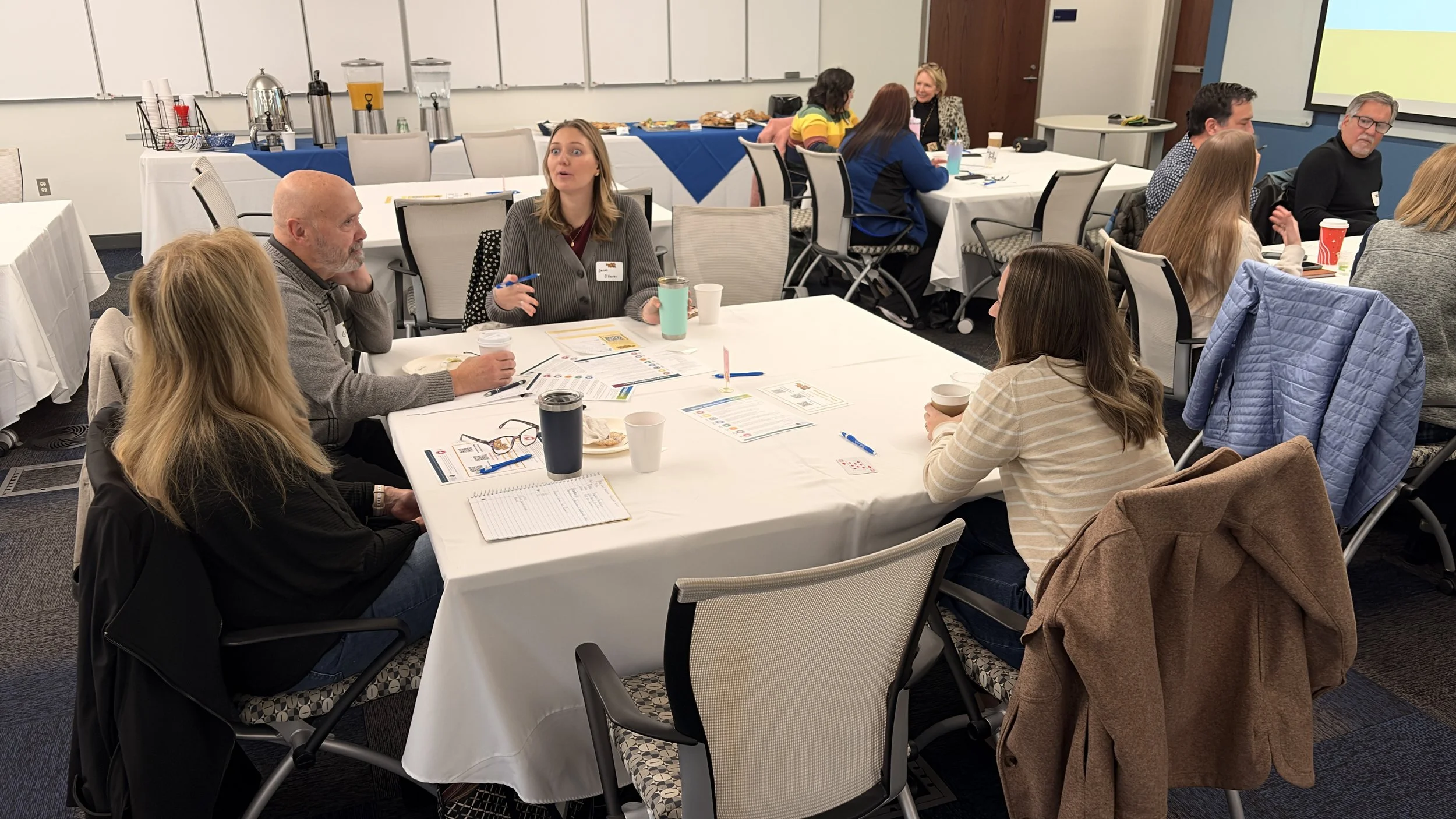
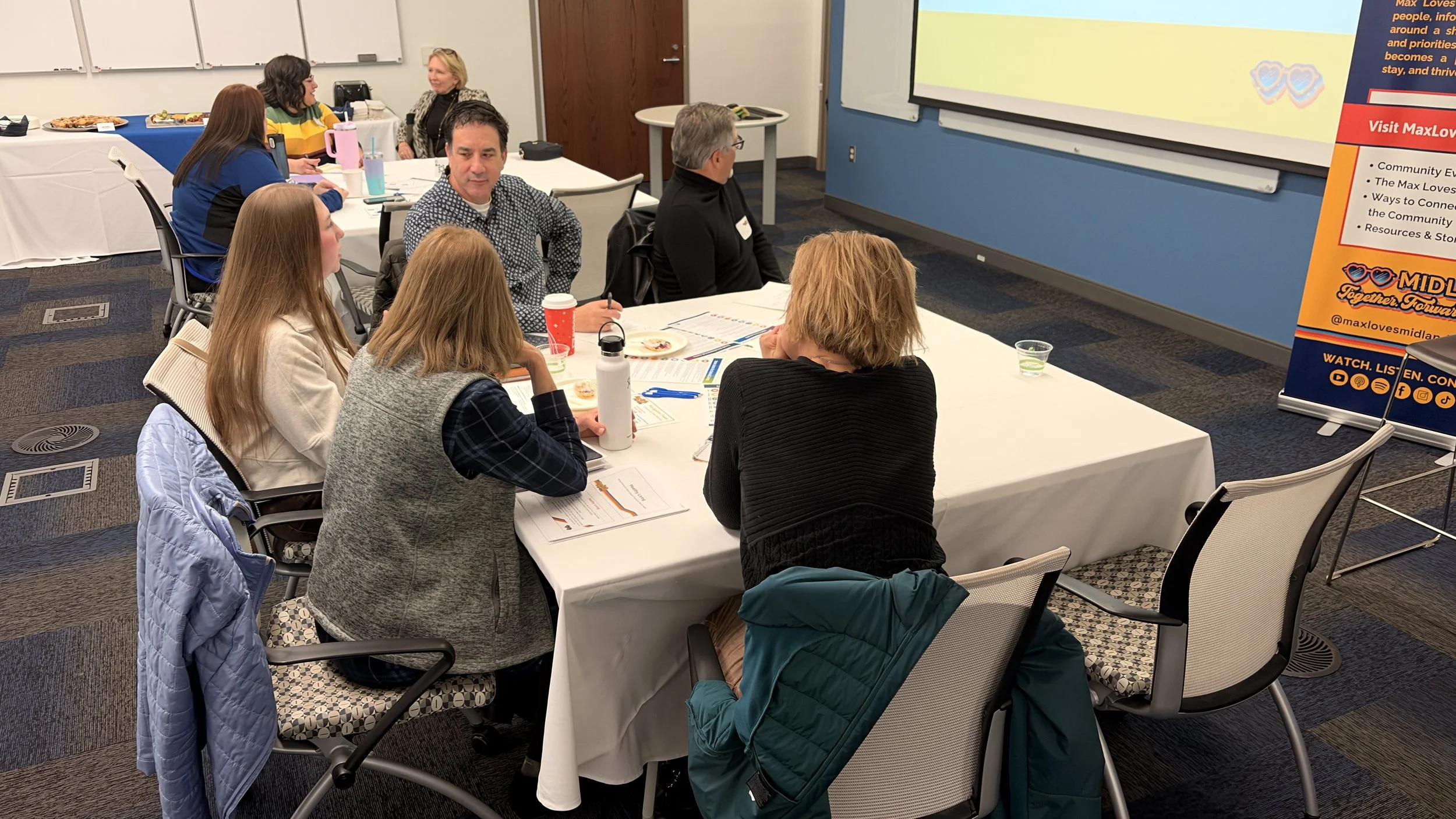
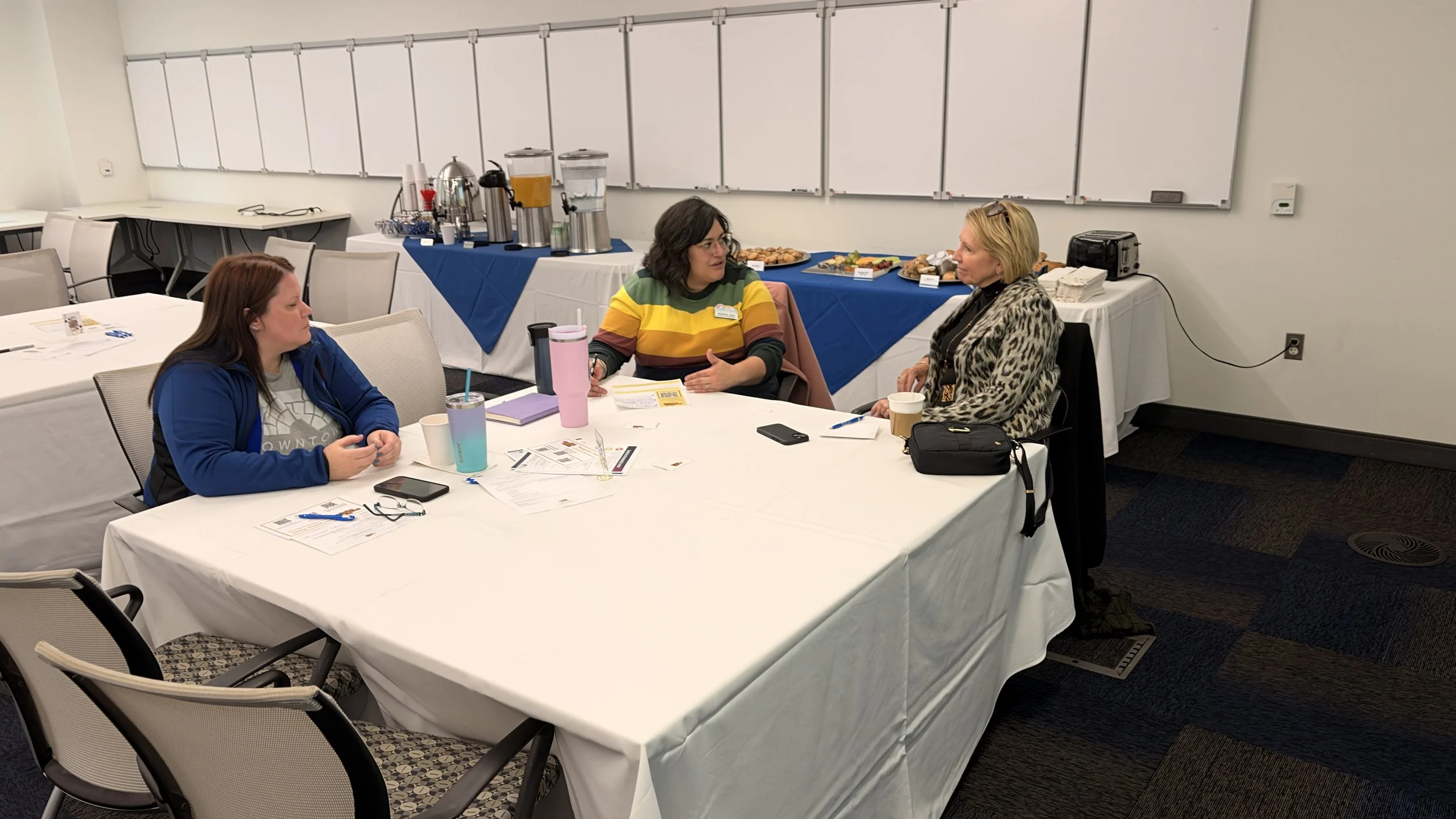
At the November 13, 2026 Max Loves Midland Navigation Team meeting, community leaders, local organizations, and partners came together to explore how community data can help us better understand the needs, strengths, and experiences of people throughout Midland County. Under the theme “Know Your Neighbors: Using Community Data to Support Mental and Physical Health,” presenters shared findings from local health and wellbeing assessments, discussed trends across generations, and explored ways community members can help build a healthier, more connected community.
The Navigation Team brings people together to learn, share perspectives, and connect local efforts to a shared community vision: Midland County: an inclusive community. Together. Forward. Bold. An exceptional place where everyone thrives.
Understanding the Community Through Data
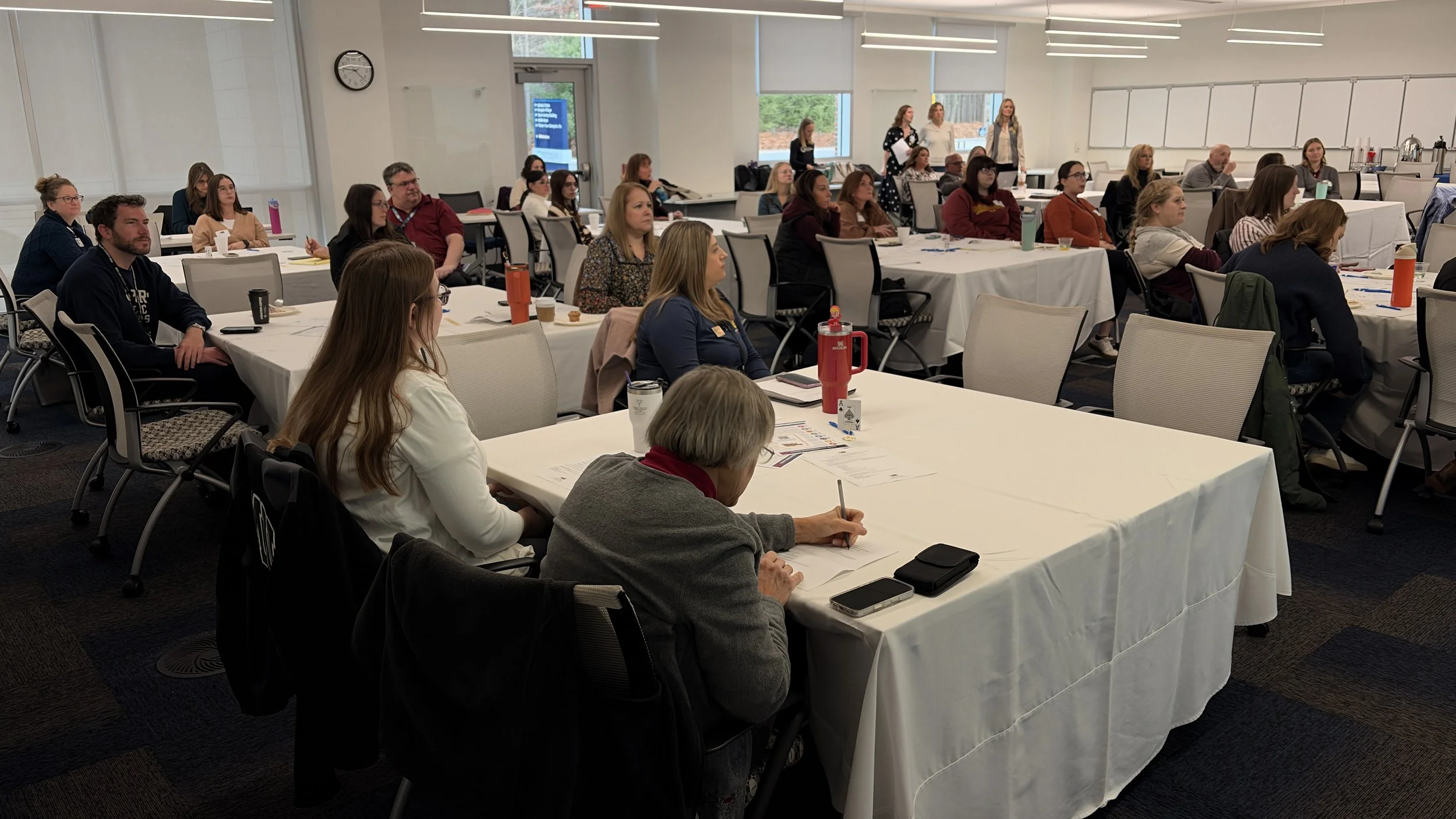
Lou Mencia opened the meeting with an overview of the Community Success Panel and its connection to Max Loves Midland. The Community Success Panel brings leaders from across Midland County together monthly to learn about community challenges and identify opportunities for collective action.
This work is grounded in the principles of Collective Impact, a collaborative approach that brings community members, organizations, and institutions together to advance equity and create meaningful, lasting change. Its five conditions include a common agenda, shared measurement, mutually reinforcing activities, continuous communication, and a strong backbone organization.
The Navigation Team plays an important role in this effort by helping educate and advocate, participating in existing community initiatives, joining working teams, inviting others into the conversation, and bringing new ideas forward.
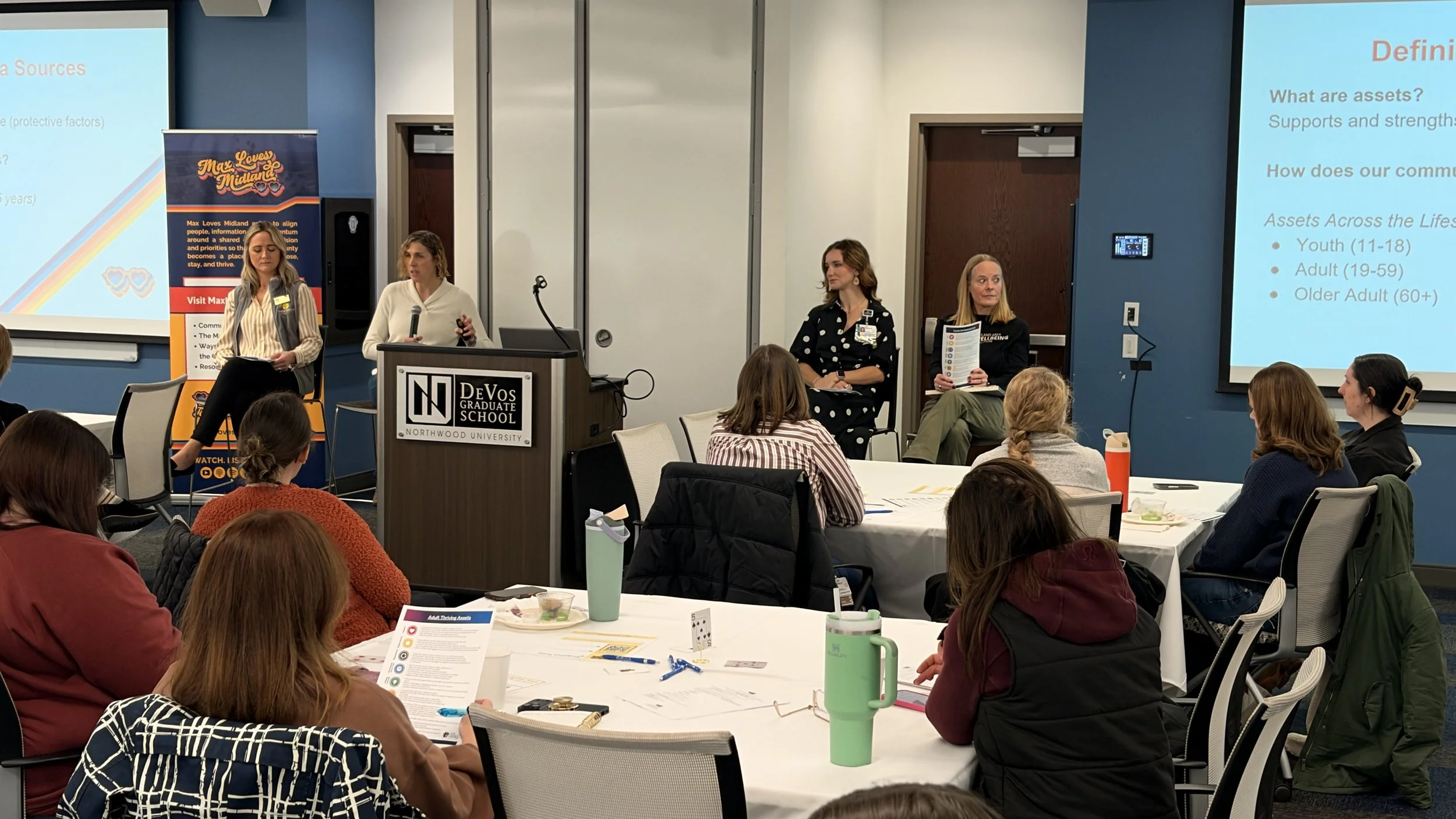
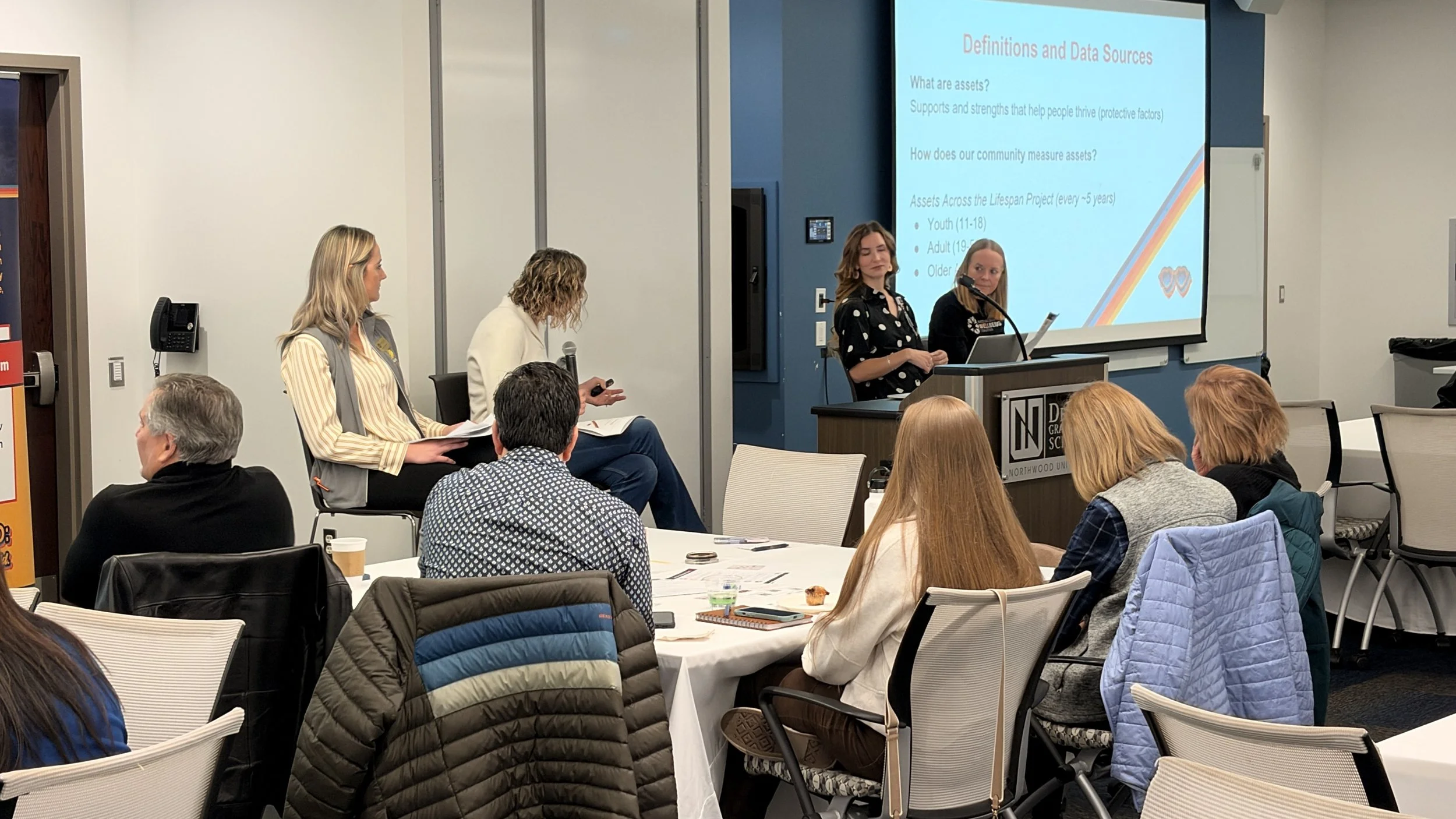
Know Your Neighbors: What the Community Data Tells Us
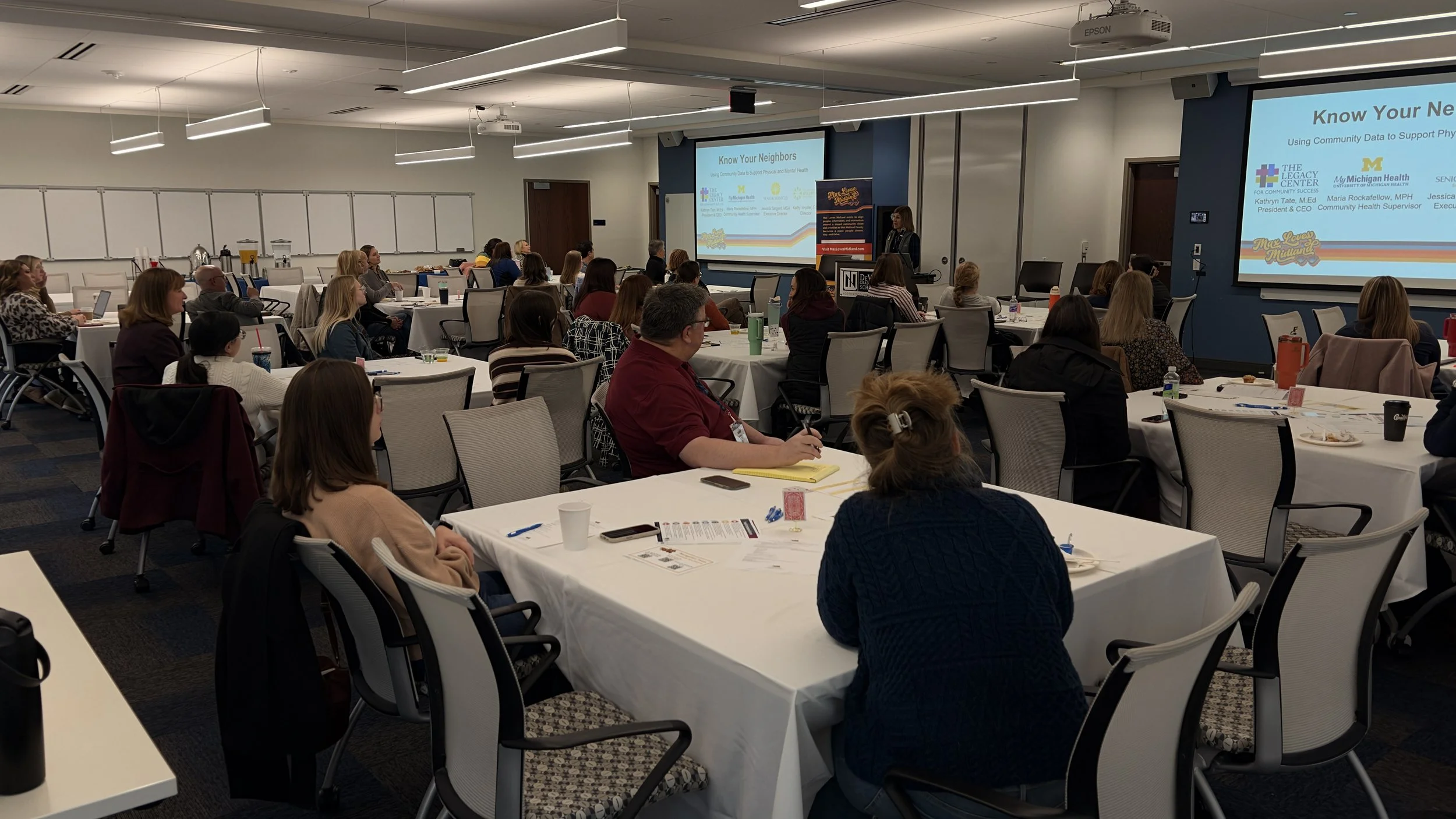
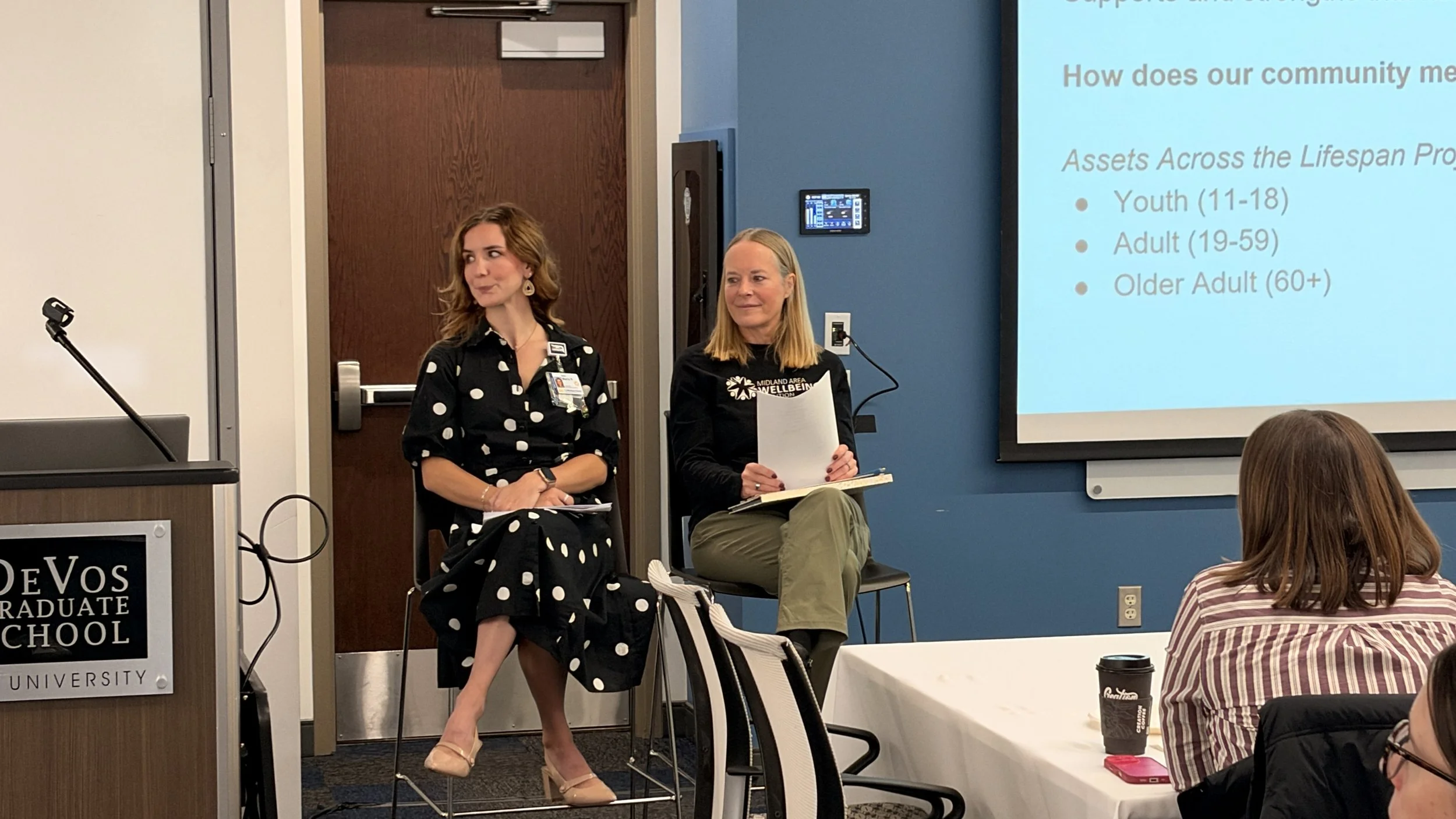
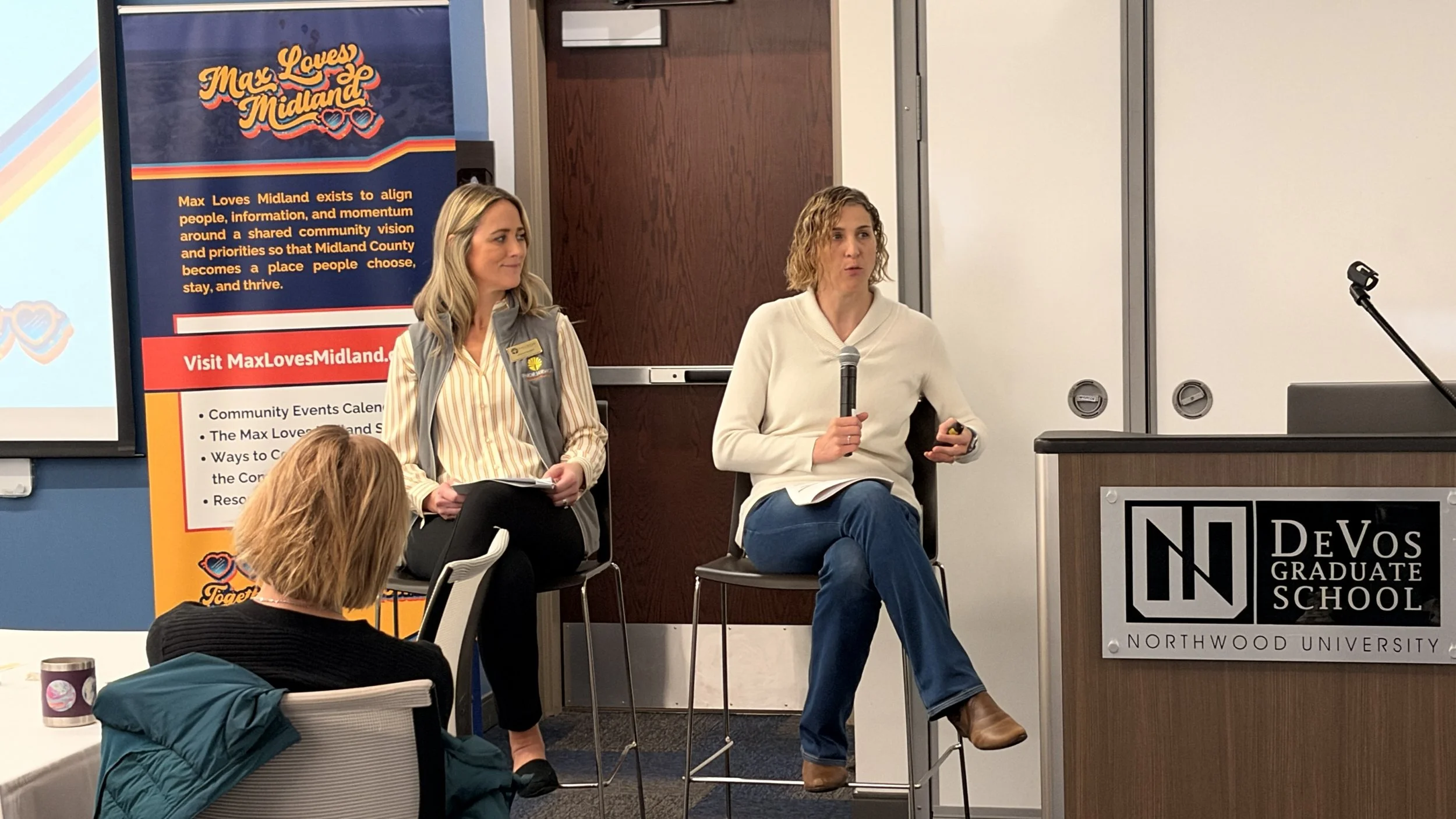
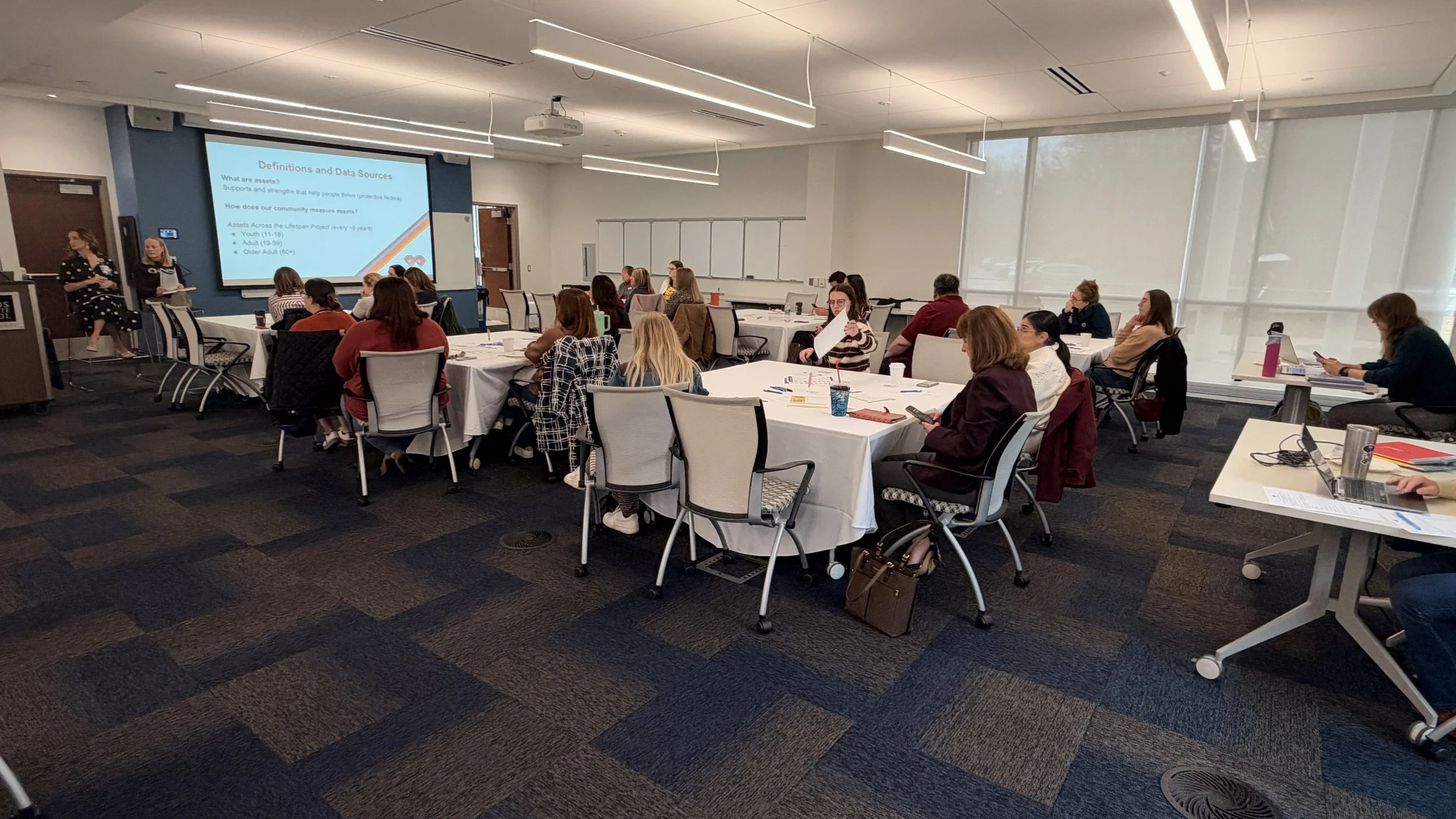
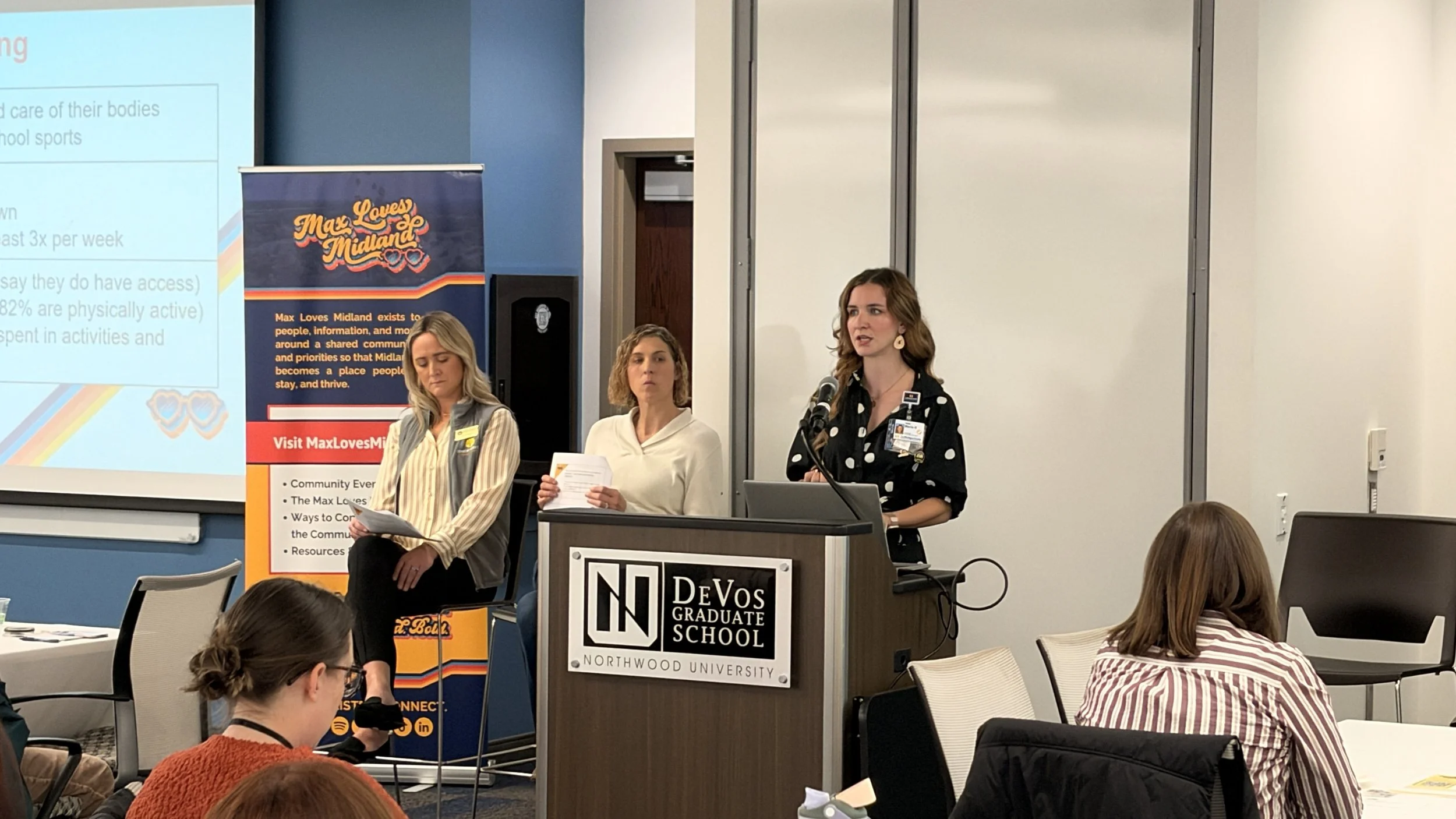
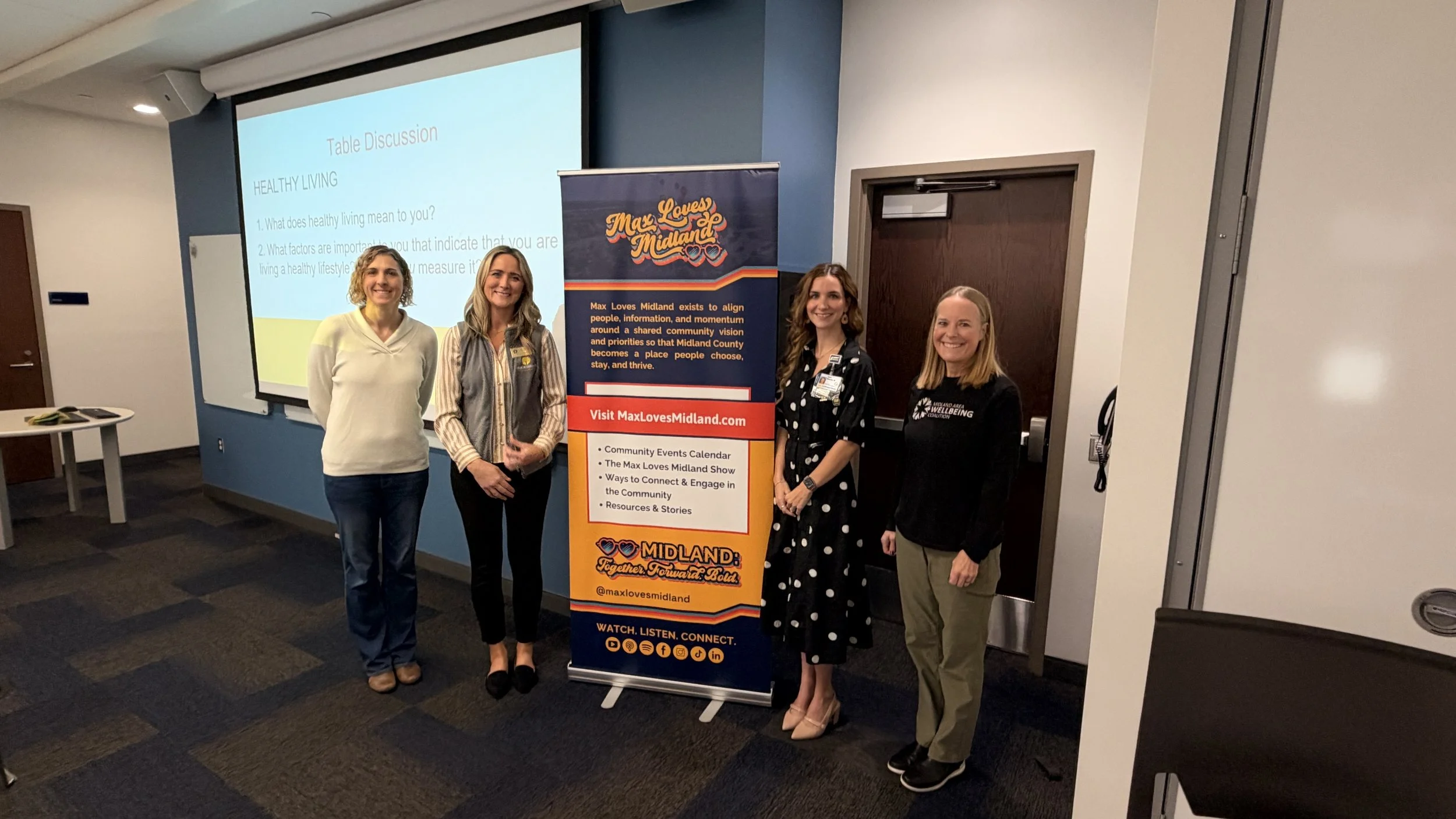
Kathryn Tate of the Legacy Center for Community Success, Jessica Sargent of Senior Services of Midland County, Maria Rockafellow of MyMichigan Health, and Kathy Snyder of the Midland Area Wellbeing Coalition led the primary presentation.
Their discussion focused on data collected through several community-wide efforts, including the Assets Across the Lifespan Project, the Midland County Community Health Needs Assessment, and the Community Satisfaction Survey.
These assessments help local organizations understand the experiences of three age groups: youth ages 11–18, adults ages 19–59, and older adults ages 60 and above. The information helps guide the Community Health Improvement Plan, which identifies priorities every three years.
The current focus areas include mental wellbeing, healthy living, and substance-free resilience.
An important takeaway was that Midland County already has many strengths to build upon. Local health systems, food and nutrition resources, behavioral health services, youth programs, recovery resources, and community partnerships all contribute to the wellbeing of residents. Understanding where gaps remain helps organizations make more informed decisions about where to focus their efforts.
Mental Wellbeing: Connection and Belonging Matter
The mental wellbeing discussion explored trends across all three age groups, including access to care, emotional health, social connection, and the protective role of developmental assets.
More than 20 years of youth data show that while some measures have improved since the 2021 survey, concerns such as depression and eating disorders continue to trend in the wrong direction. The presentation also highlighted correlations between mental health and social media and video use, with differences across genders.
Among adults, the data showed increasing rates of diagnosed anxiety and depression between 2019 and 2025. Forty-four percent of adults reported feeling isolated sometimes or always. Adults ages 33–44 showed the highest levels of depression, a group also navigating significant pressures related to parenting, aging parents, work, and limited time for self-care.
For older adults, opportunities for connection, belonging, and purpose become increasingly important. The discussion emphasized that having places and activities available does not automatically mean people feel connected.
Across all ages, developmental assets play an important protective role. These assets include external supports, such as family relationships, positive peers, opportunities, and activities, as well as internal strengths, such as self-esteem. The data showed that as young people have more developmental assets, rates of depression and anxiety decrease.
How can community members help?
Normalize conversations and actions that support mental wellbeing.
Create opportunities for meaningful connection and belonging.
Practice intentional neighboring by reaching out, inviting others, and making activities accessible.
Help residents know where to turn for support through 211, 988, and 911 when appropriate.
The group also discussed how to design experiences that foster genuine belonging, why adult self-esteem may be lower than in other age groups, and how adults can serve as positive influences in the lives of young people.
Healthy Living: Supporting Everyday Wellbeing
Healthy living encompasses many aspects of daily life, particularly nutrition, food access, and physical activity.
Among youth, 60% reported that they take good care of their bodies, and 46% participate in school sports.
For adults, approximately 50% reported being physically active at least three times per week. Food insecurity has been trending downward, and Midland County has a wide range of resources available to support residents experiencing food access challenges.
Among older adults, 79% reported having access to the nutrition they need, an 8% decrease from previous results. Physical activity increased by two percentage points, with 82% reporting that they are physically active. The presentation also highlighted the connection between participation in activities, relationships, and reduced isolation. As people age, opportunities for purposeful connection and a variety of accessible activities remain important.
The broader health picture showed improvements in obesity rates, while diabetes rates remained consistent. Access to care continues to be a challenge, and lung cancer remains the most prevalent cancer discussed, with smokeless tobacco and vaping identified as contributing concerns.
How can community members help?
Support local food access initiatives.
Volunteer with programs such as Meals on Wheels.
Share opportunities for physical activity, healthy eating, and preventative health resources.
Help residents discover the many programs and activities available throughout Midland County.
Max Loves Midland can also help by sharing events and resources through its free, county-wide community calendar, making it easier for residents to find opportunities that support healthy living.
Substance-Free Resilience: Building Healthier Connections
The final focus area explored substance use trends, prevention, recovery, and the role of social connection in supporting substance-free choices.
Over the past 20 years, youth substance use has declined significantly in Midland County, with an overall decrease of approximately 90%. Alcohol remains the most commonly reported substance among youth, followed by nicotine and marijuana. The data also showed that substance use increases with age, with high school seniors reporting the highest rates.
Among adults, 9.5% reported cigarette use, while another 9.5% reported e-cigarette or vaping use, which has increased since 2022. Drug overdose deaths have declined to 15 per 100,000 residents, compared with 32 per 100,000 in 2019.
For older adults, the conversation focused on the relationship between substance use, social habits, and connection. Approximately 10% of older adults consider themselves to be in recovery from alcohol or drug use. Presenters discussed how reducing alcohol consumption can sometimes mean changing established social routines, making it important to create opportunities for connection that do not revolve around alcohol.
The presentation also highlighted that only a small percentage of people with substance use disorders receive treatment, underscoring the importance of reducing stigma and making pathways to support more accessible.
How can community members help?
Reduce stigma and support pathways to recovery.
Connect residents and families with trusted community resources.
Encourage screening, early intervention, and treatment.
Create opportunities for substance-free activities and social connection.
Encourage local businesses to offer more nonalcoholic options.
A key part of the discussion was how to create a sense of belonging without relying on alcohol as a central part of social activities. Building a community where people can connect in a variety of ways supports healthier choices and stronger relationships.
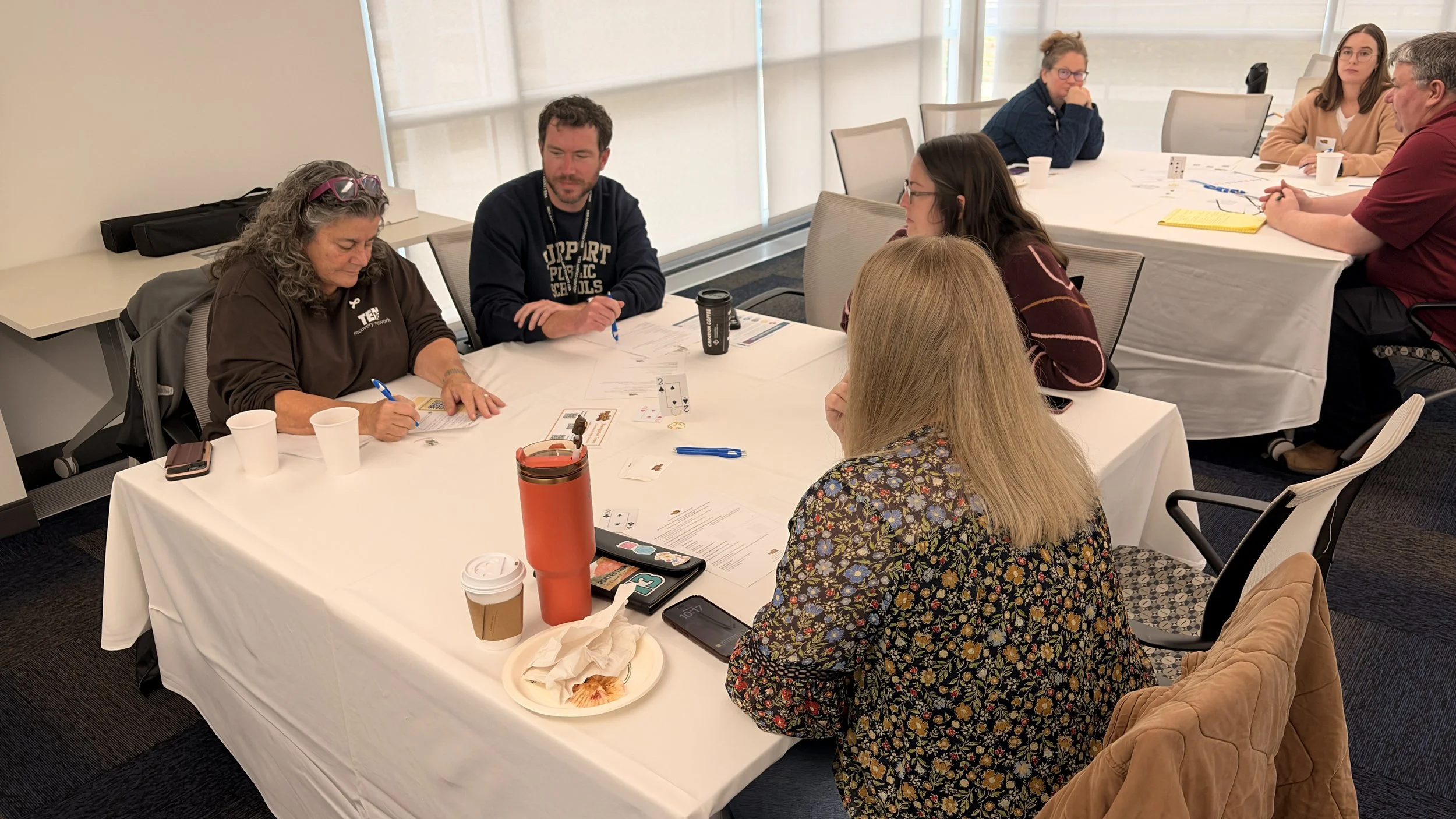
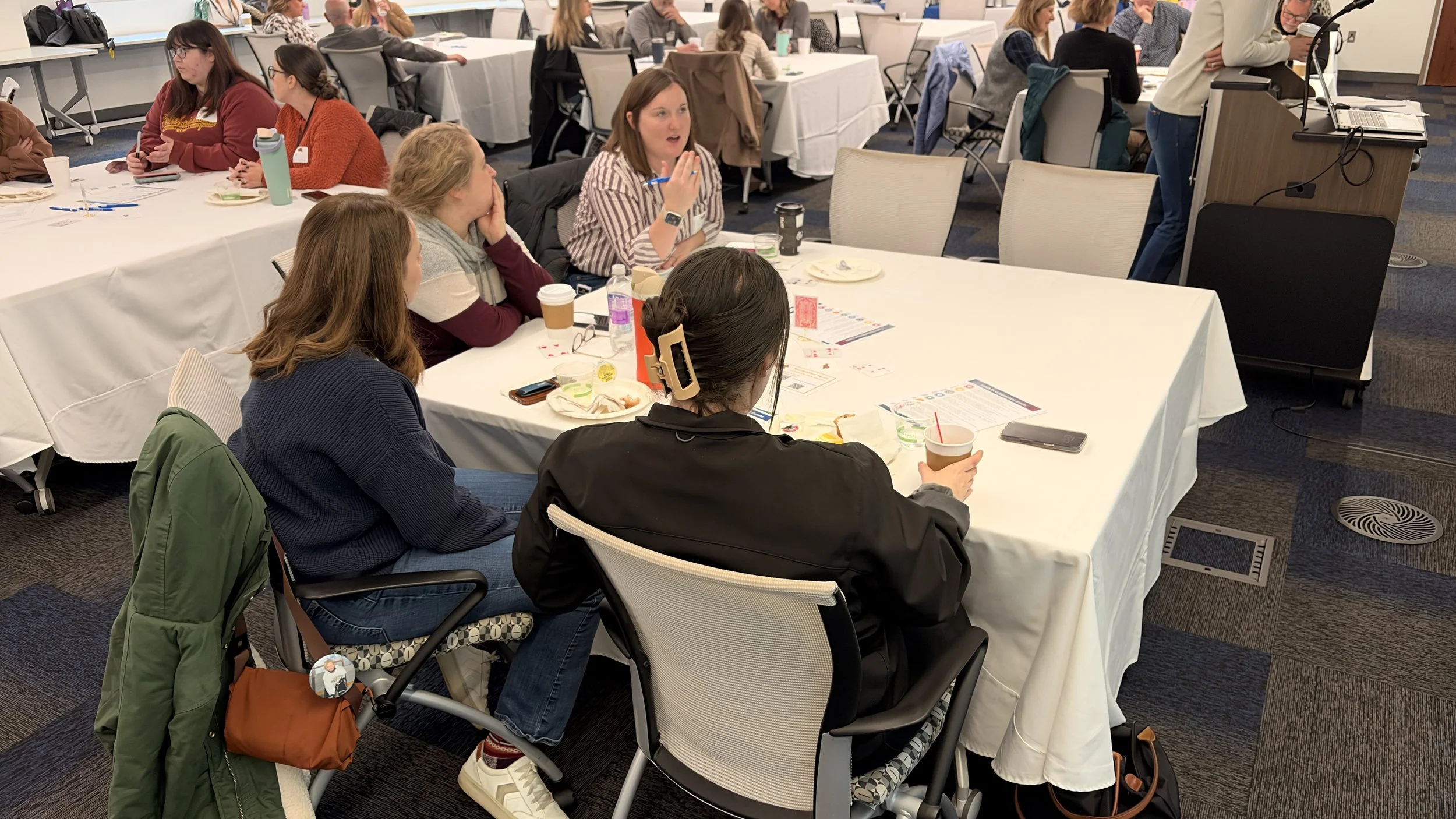
Turning Information Into Action
Throughout the meeting, one message remained consistent: data helps us understand where our community is, but meaningful change depends on what we do with that information.
The presenters encouraged attendees to consider how their organizations, businesses, and personal connections can contribute to mental wellbeing, healthy living, and substance-free resilience.
These efforts offer opportunities for residents and organizations to contribute their experience, share resources, and help move community priorities forward.
Connecting People, Information, and Opportunities
Kevin LaDuke closed the meeting with an update on Max Loves Midland and the ways the platform helps organizations communicate and connect across Midland County.
More than 8,000 events have now been shared through the Max Loves Midland community calendar, giving residents a central place to discover activities, programs, and opportunities throughout the county.
Organizations can also get involved by:
Sharing events for free through the community calendar.
Connecting with other local communicators through the Max Loves Midland Communicators Group.
Joining the nonprofit Slack channel to share resources, information, and opportunities.
Sharing community stories and news with Max Loves Midland.
Connecting with residents through the Max Loves Midland Show and social media channels.
Using Max Loves Midland resources to help attract and retain people in Midland County.
The goal is to help people find the information, resources, and connections they need to participate in community life.
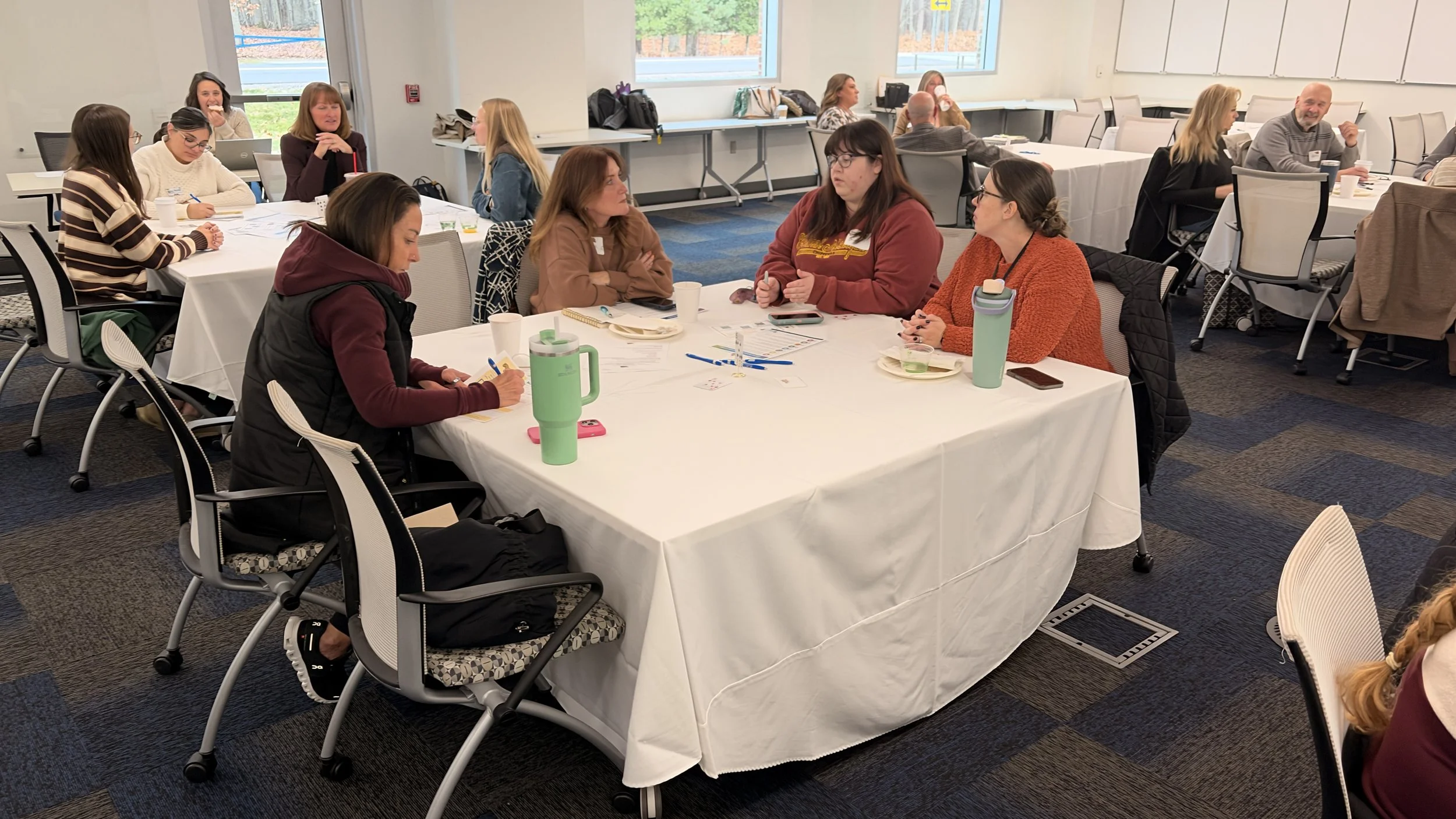
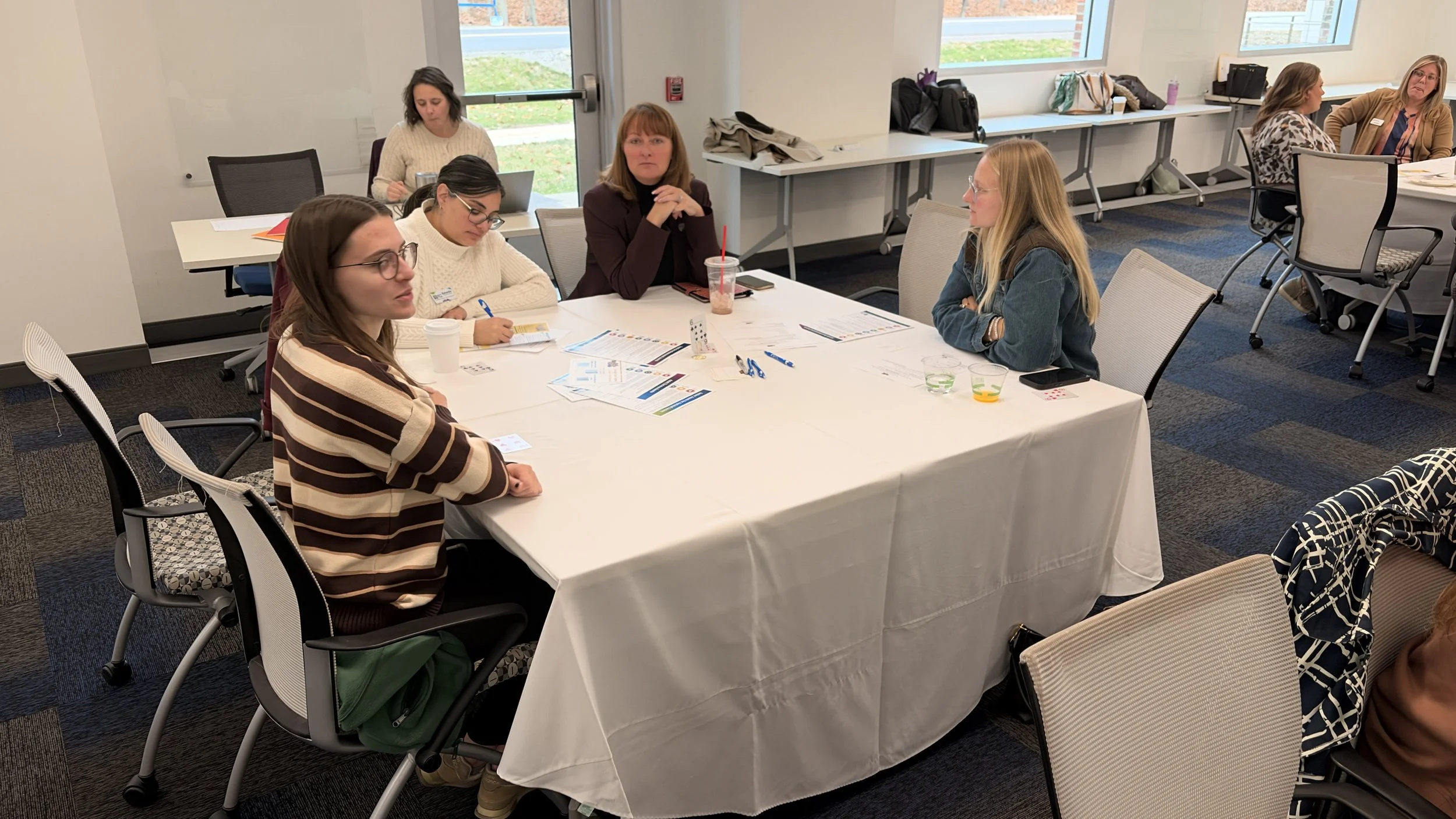
Looking Ahead
The November meeting was a reminder that building a healthier community takes more than programs and services. It takes relationships, shared understanding, and a willingness to look out for one another.
Whether you volunteer, share a community resource, invite someone to join an activity, support a local initiative, or simply make time to connect with a neighbor, every action can contribute to a stronger sense of belonging.
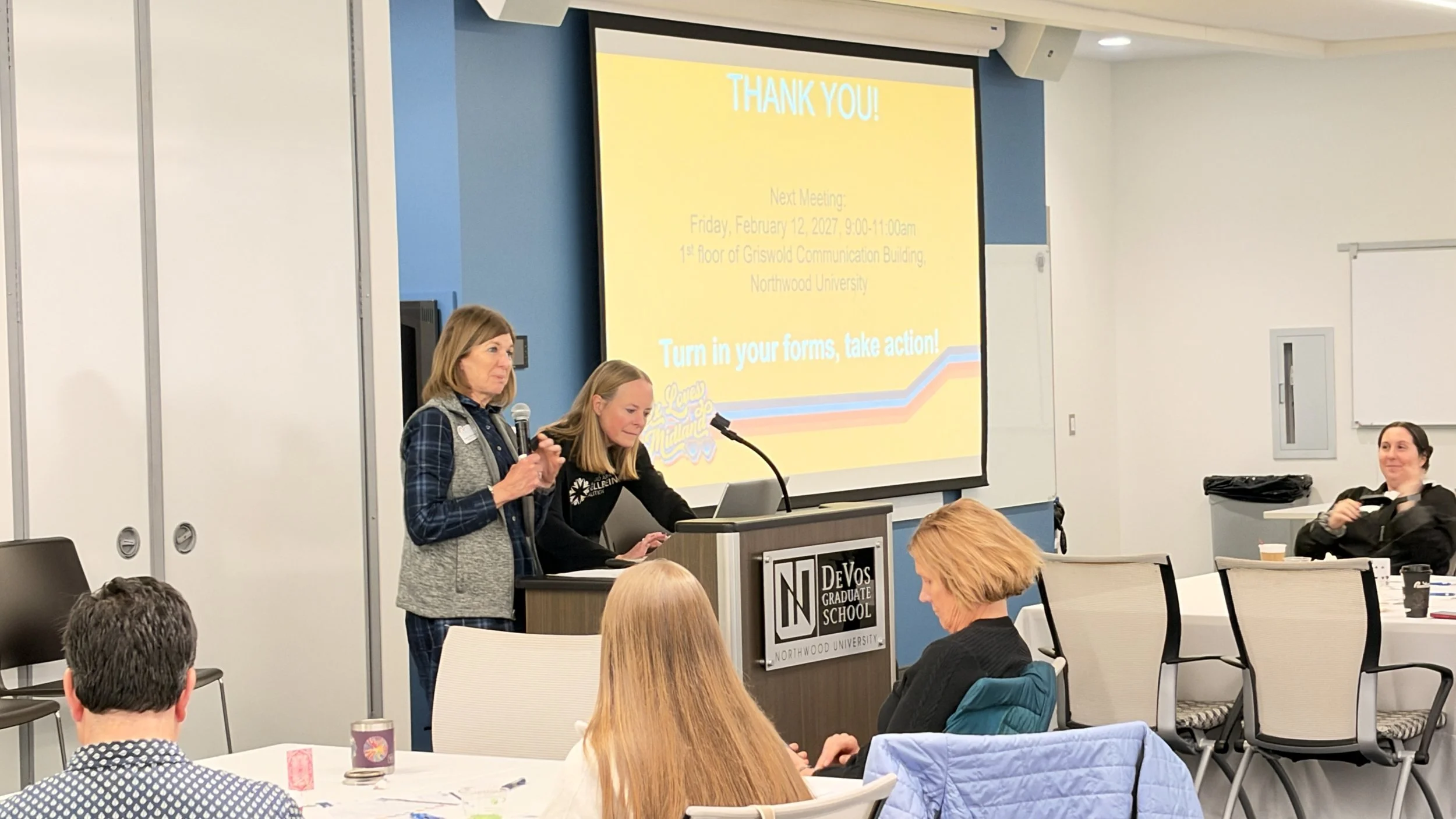
The next Max Loves Midland Navigation Team meeting will take place Friday, February 12, 2027 at the Griswold Communication building on the Northwood University Campus. Coffee and networking begin at 8:45 a.m., followed by the meeting from 9:00–11:00 a.m.
Additional 2027 meeting dates are May 14, August 13, and November 12.
Whether you're a community leader, nonprofit professional, business owner, volunteer, or simply someone who cares about the future of Midland County, we invite you to be part of the conversation.
Do you have a Midland County story you would like to tell that aligns with our vision?